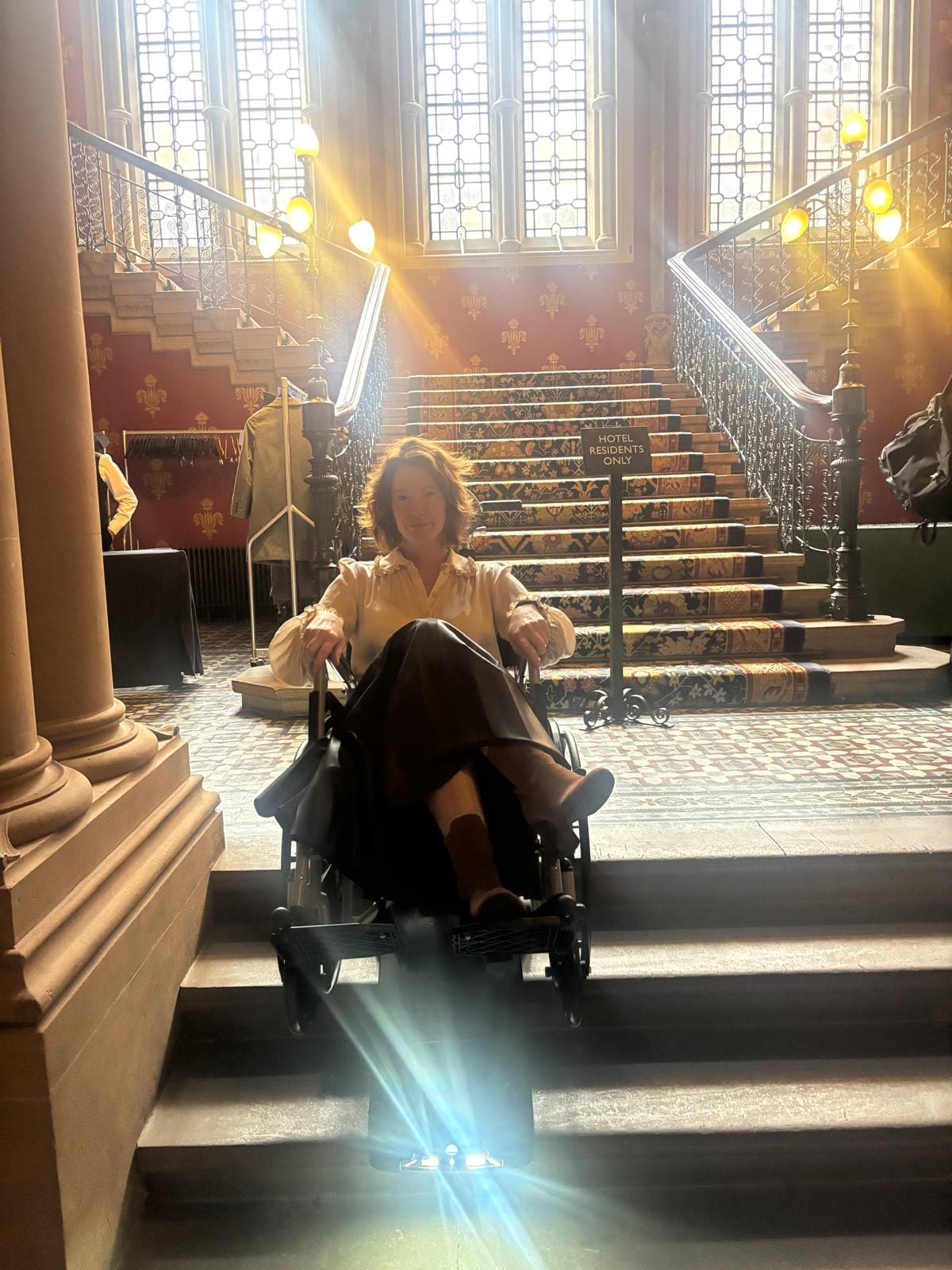
Powered Stair Climbers for Workplace Access in London
Powered Stair Climbers for Workplace Access in London Need to create wheelchair access in a London workplace? Book a free …

Stair Climbing Wheelchairs in the UK Their Positive Impact on Access for OTs, FMs, Heritage Buildings and Evacuation
Estimated reading time: 6 minutes
Stair climbing wheelchairs are helping organisations across the UK solve one of the hardest access problems: stairs that cannot easily be replaced with ramps or lifts. A stair climber or stairclimber solution can make an immediate difference in homes, workplaces, public buildings and heritage sites, especially where structural change is difficult, slow, or restricted. For Occupational Therapists and Facilities Managers, stair climbing wheelchairs can bridge the gap between a risk on paper and access in real life. For heritage buildings, they can protect historic fabric while improving inclusion. In evacuation planning, they can provide a practical route to safety when lifts fail and when upwards travel is needed.
This article uses sector examples and guidance sources, plus material from The Stair Climbing Company, which focuses on stair climber solutions and works closely with Occupational Therapists in the UK. (The Stair Climbing Company)
Occupational Therapists are often asked to solve a problem that is both clinical and environmental: how can someone live well, safely, and with dignity when stairs block access to key parts of daily life. UK guidance on home adaptations highlights that equipment and changes to the home can reduce risk and improve independence. (nhs.uk)
A stair climbing wheelchair can be a realistic option when a ramp is not possible, a lift is unaffordable, or time is critical. For example:
Facilities Managers (FMs) have a different challenge: deliver access that is safe, compliant, and cost effective across buildings that may be old, complex, or constantly changing. Permanent lifts and platform lifts can be the right answer, but they can also involve major installation costs, long lead times, maintenance, and downtime. Stair climbing wheelchairs can provide a flexible access layer that can be deployed immediately.
Real world FM examples include:
Heritage buildings are often where access improvements are needed most and where structural change is most restricted. Historic England’s guidance on improving access explains how to make positive changes while working within conservation principles. (Historic England) Their Disability Access to Heritage advice hub also supports a culture of inclusion for disabled visitors and participants. (Historic England)
This is where stair climbing wheelchairs can be transformative. Because a stair climber can be deployed without permanent alterations, it can help unlock upper floors, galleries, towers, crypts, or exhibition rooms that might otherwise remain inaccessible.
Practical heritage examples include:
Evacuation planning often focuses on moving down stairs, but real incidents can require upwards travel to reach a refuge floor, a safe compartment, or an alternative exit route if lower levels are compromised. Lift failure is also a frequent trigger for access breakdown, and in many emergencies lifts are shut down.
NHS guidance on evacuation and shelter recognises the need for predetermined support, including Personal Emergency Evacuation Plans (PEEPs) for staff who may not be able to reach safety unaided. (NHS England) Government guidance on Residential PEEPs also shows how evacuation planning for disabled residents is being formalised and enforced in specific contexts. (GOV.UK)
How stair climbing wheelchairs can help in evacuation planning:
Stair climbing wheelchairs are a practical access solution across the UK where stairs remain a barrier. For Occupational Therapists, stair climbers for Occupational Therapists can support independence, safe discharge, and dignity. For Facilities Managers, stair climber and stairclimber options improve continuity of access and reduce risk during lift failure. For heritage buildings, they deliver inclusion while respecting conservation constraints, supported by leading heritage guidance. For evacuation, they strengthen PEEP based planning and provide a realistic option for upwards travel when conditions demand it. (Historic England)
Royal College of Occupational Therapists (RCOT): https://www.rcot.co.uk/
RCOT home adaptations briefing (PDF): https://www.rcot.co.uk/media/644/download?attachment=
NHS home adaptations overview: https://www.nhs.uk/social-care-and-support/care-services-equipment-and-care-homes/home-adaptations/
NHS England evacuation and shelter guidance: https://www.england.nhs.uk/long-read/evacuation-and-shelter-guidance-for-the-nhs-in-england/
GOV.UK Residential PEEPs factsheet: https://www.gov.uk/government/publications/residential-personal-emergency-evacuation-plans-residential-peeps/residential-peeps-factsheet
Historic England easy access guidance: https://historicengland.org.uk/advice/technical-advice/easy-access-to-historic-buildings-and-landscapes/
Historic England disability access to heritage hub: https://historicengland.org.uk/advice/inclusion/disability-access/
National Trust access for everyone: https://www.nationaltrust.org.uk/who-we-are/about-us/access-for-everyone
English Heritage access guides: https://www.english-heritage.org.uk/visit/accessibility/access-guides/
English Heritage Stonehenge disabled visitors page: https://www.english-heritage.org.uk/visit/places/stonehenge/plan-your-visit/access/visitors-with-disabilities/
The Stair Climbing Company homepage: https://thestairclimbingcompany.com/
The Stair Climbing Company OT focused page: https://thestairclimbingcompany.com/stair-climbers-for-occupational-therapists-in-the-uk/
The Stair Climbing Company hire page: https://thestairclimbingcompany.com/stair-climber-hire-and-stair-climbing-wheelchair-hire-with-the-stair-climbing-company/
Estimated reading time: 6 minutes
Powered Stair Climbers for Workplace Access in London Need to create wheelchair access in a London workplace? Book a free …
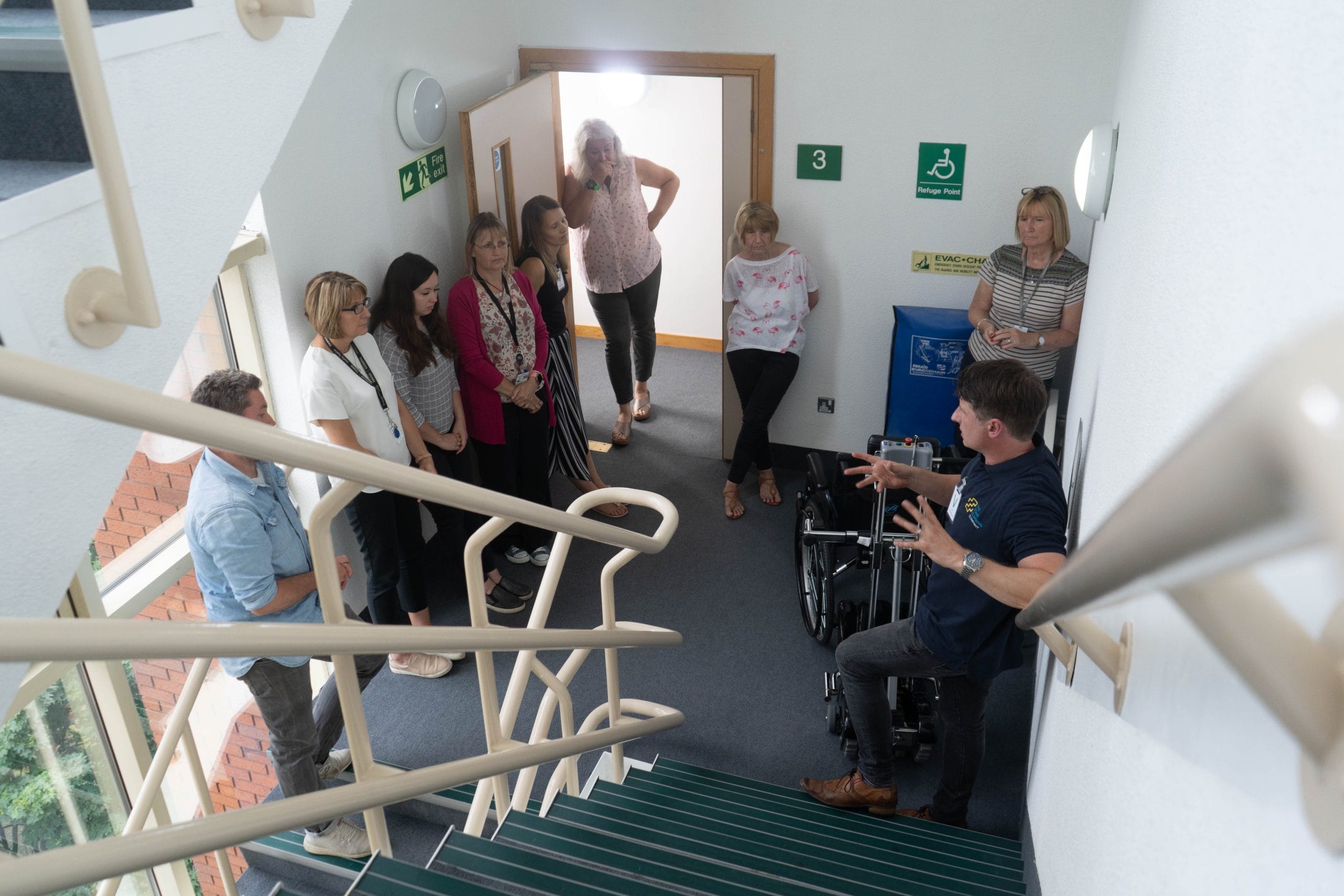
Powered Stair Climbers for Workplace Access: Removing Barriers Without Major Building Work Need to improve wheelchair access in your workplace? …

Powered Stair Climbers for Wheelchair Access: A Flexible Way to Overcome Stairs Need to create wheelchair access where stairs are …

Part M Stair Climbers for London Buildings: Accessible Retrofit Without Major Structural Change Improving accessibility in an existing London building? …

Part M Stair Climbers for Retrofit Buildings: Creating Accessible Buildings Without Major Structural Change Retrofitting an existing building and struggling …
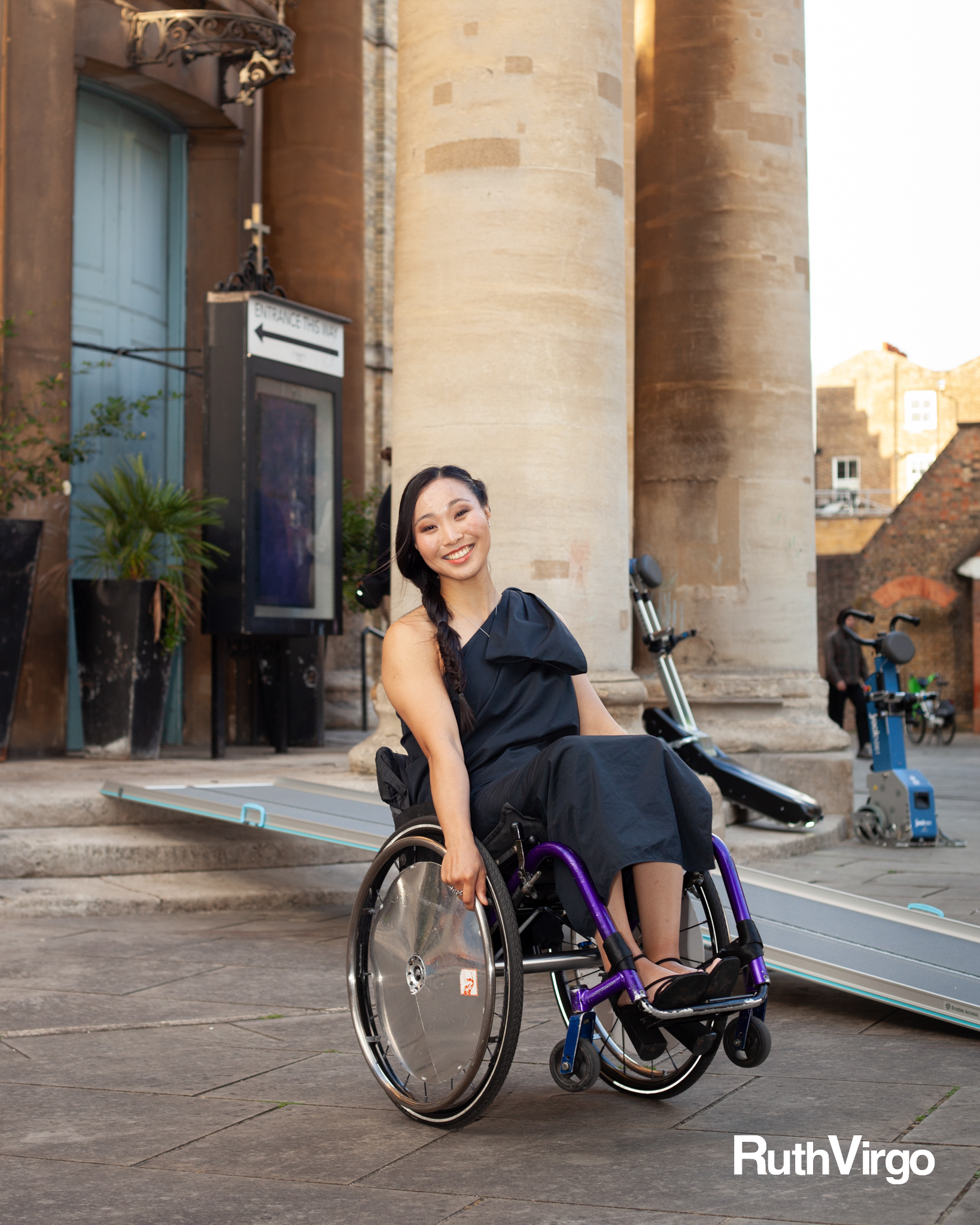
Part M Stair Climbers for London Retrofit Buildings: Practical Access in Constrained Spaces Discuss a London Access Assessment Retrofitting a …