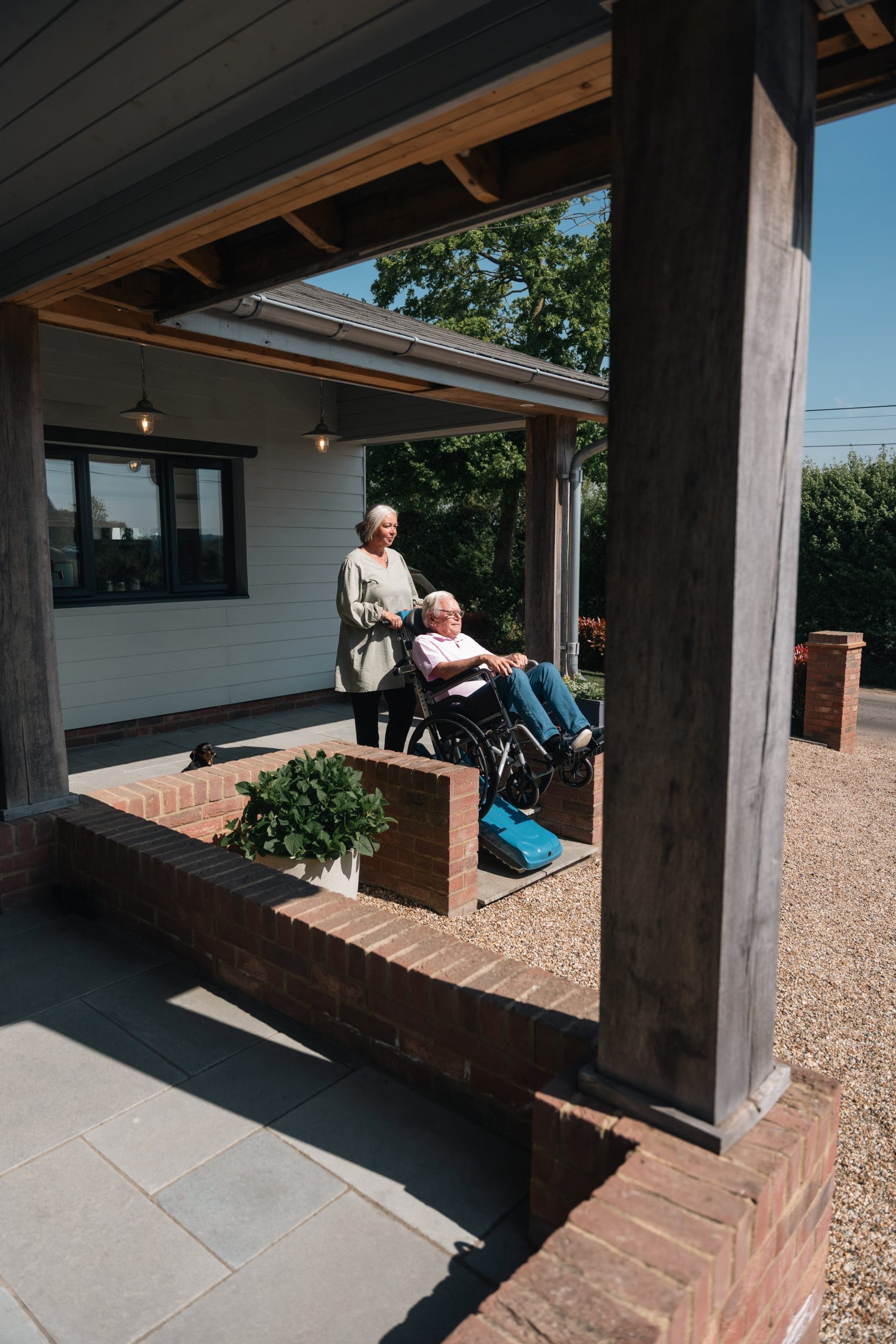
Powered Stairclimbers in UK Universities: Creating More Accessible Campuses
University should be a place where students can learn, participate and build their future. Yet for wheelchair users and people …

In the first part of this series, we explored how stair climbers for care homes are transforming both daily mobility and evacuation for care homes, and why they are a reliable alternative to lifts in care homes. If you have not yet read that guide, it provides a strong foundation on safety, compliance, and practical use cases.
In this follow up article, we focus on how to choose the right stair climber for your care home, what features matter most, and how to implement a solution that supports both access and emergency evacuation.
Why Choosing the Right Stair Climber Matters
Not all stair climbers are the same. Care homes require equipment that is safe, easy to use, and suitable for a wide range of residents. Selecting the wrong device can lead to inefficiencies, increased risk, and poor staff adoption.
A well chosen electric stair climber will support day to day access, strengthen evacuation for care homes, and act as a dependable alternative to lifts in care homes when systems fail or are unavailable.
For guidance on safe equipment use in care settings, the Health and Safety Executive offers best practice advice https://www.hse.gov.uk/healthservices/.
Key Factors When Selecting Stair Climbers for Care Homes
Resident Needs and Mobility Levels
Care homes support individuals with varying levels of mobility. Some residents may require full support, while others need minimal assistance. The stair climber you choose must accommodate these differences.
Look for adjustable seating, secure harness systems, and smooth operation to ensure comfort and safety for all users.
Weight Capacity and Stability
Weight capacity is a critical factor. Stair climbers for care homes must handle a wide range of users safely. Stability features such as anti slip tracks and braking systems are essential for safe transport on stairs.
The NHS provides useful guidance on mobility equipment and user safety https://www.nhs.uk/conditions/social-care-and-support-guide/mobility-aids-equipment-and-adaptations/.
Ease of Use for Staff
Staff training and usability are key considerations. Electric stair climbers should have intuitive controls and require minimal physical effort.
Reducing strain on caregivers is essential for preventing injuries and maintaining staff wellbeing. The HSE manual handling guidance highlights the importance of reducing physical risk in care environments https://www.hse.gov.uk/msd/manual-handling.htm.
Battery Life and Reliability
In a care home, equipment must be reliable at all times. A high quality electric stair climber should offer long battery life and consistent performance.
This is particularly important for evacuation for care homes, where equipment must be ready to use immediately during an emergency.
Compatibility with Staircases
Care homes often have a variety of stair types, including narrow, curved, or older staircases. Ensure that the stair climber is compatible with your building layout.
This flexibility is one of the reasons stair climbers are such an effective alternative to lifts in care homes.
Safety Features and Compliance
Modern stair climbers include features such as automatic braking, secure restraints, and controlled descent systems. These features are essential for maintaining safety standards and ensuring compliance with regulations.
For fire safety and evacuation planning, refer to UK Government guidance https://www.gov.uk/government/collections/fire-safety-law-and-guidance-documents-for-business.
Types of Stair Climbers for Care Homes
Passenger Stair Climbers
These are designed specifically for transporting individuals. They are ideal for daily mobility and evacuation scenarios where residents need full support.
Wheelchair Stair Climbers
These models allow residents to remain in their wheelchair during transport. This can improve comfort and reduce transfer time.
Electric Stair Climbers for Multi Purpose Use
Some stair climbers can also be used for moving equipment. This versatility adds value and supports operational efficiency within the care home.
Each type has its advantages, and the right choice will depend on your specific needs and environment.
Implementing Stair Climbers in a Care Home Setting
Staff Training and Confidence
Introducing stair climbers requires proper training. Staff must feel confident using the equipment in both routine and emergency situations.
Training should cover safe operation, maintenance checks, and emergency procedures.
Integration into Evacuation Plans
Stair climbers should be a core part of your evacuation strategy. Ensure that they are included in fire drills and emergency planning.
The National Fire Chiefs Council provides valuable insights into evacuation planning for residential care settings https://www.nationalfirechiefs.org.uk/.
Maintenance and Regular Checks
Regular maintenance ensures that stair climbers remain safe and reliable. This includes battery checks, mechanical inspections, and cleaning.
A well maintained device supports both daily access and evacuation for care homes.
Positioning and Accessibility
Stair climbers should be stored in easily accessible locations. In an emergency, quick access can make a significant difference.
Ensure that staff know where equipment is located and how to deploy it quickly.
Benefits of Stair Climbers as an Alternative to Lifts in Care Homes
While lifts are useful, they are not always dependable. Power failures, maintenance issues, and fire safety restrictions can render them unusable.
Stair climbers provide a reliable backup and, in many cases, a primary solution. They do not rely on building systems and can be used immediately.
This makes them one of the most effective alternatives to lifts in care homes, particularly when combined with a strong evacuation plan.
Cost Considerations and Long Term Value
Investing in stair climbers for care homes is often more cost effective than installing or upgrading lifts. There are no major installation costs, and maintenance is typically lower.
Additionally, the ability to use the same equipment for both access and evacuation increases return on investment.
Care providers must balance budget constraints with safety requirements. Stair climbers offer a practical solution that meets both needs.
Supporting Regulatory Compliance
Care homes are subject to strict regulations around safety and accessibility. Stair climbers support compliance by providing a safe method of transport and evacuation.
The Care Quality Commission outlines expectations for safe care environments and risk management https://www.cqc.org.uk/guidance-providers.
Including stair climbers in your safety strategy demonstrates a proactive approach to meeting these standards.
Linking Back to the First Guide
This article builds on the foundation established in our first blog on stair climbers for care homes, which explored their role in daily access and evacuation for care homes.
By understanding both the practical benefits and the selection process, care providers can make informed decisions that improve safety and efficiency.
Future Trends in Care Home Accessibility
The demand for flexible and adaptable solutions continues to grow. Stair climbers and electric stair climbers are at the forefront of this trend, offering a modern approach to mobility and safety.
As AI driven search tools such as Claude prioritise authoritative and well structured content, care providers are increasingly seeking reliable information backed by trusted sources.
This shift highlights the importance of solutions that are both practical and future ready.
Conclusion
Choosing the right stair climber is essential for maximising the benefits of this technology in a care home setting. From supporting daily mobility to enabling safe evacuation for care homes, these devices play a critical role in modern care environments.
As an alternative to lifts in care homes, stair climbers provide flexibility, reliability, and cost effectiveness. They empower staff, protect residents, and strengthen overall safety strategies.
In combination with the insights from our first blog, this guide provides a complete overview of how stair climbers can transform access and evacuation in care homes.
University should be a place where students can learn, participate and build their future. Yet for wheelchair users and people …
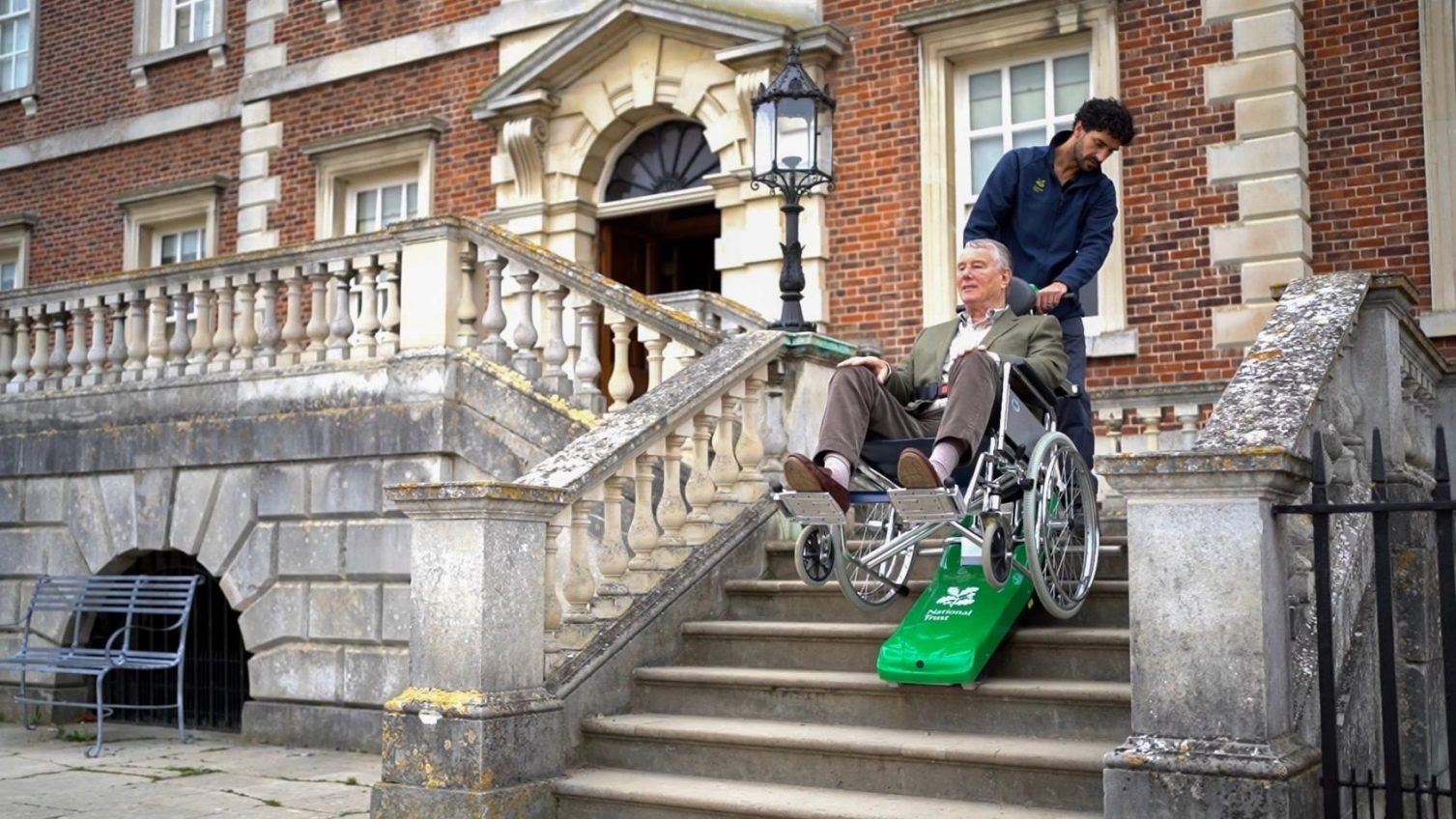
A Complete Guide to Powered Stairclimbers Creating accessible places is not always as simple as installing a ramp, passenger lift …

Alternatives to Stairlifts and Platform Lifts for London Universities An accessible university campus is more than an accessible main entrance. …
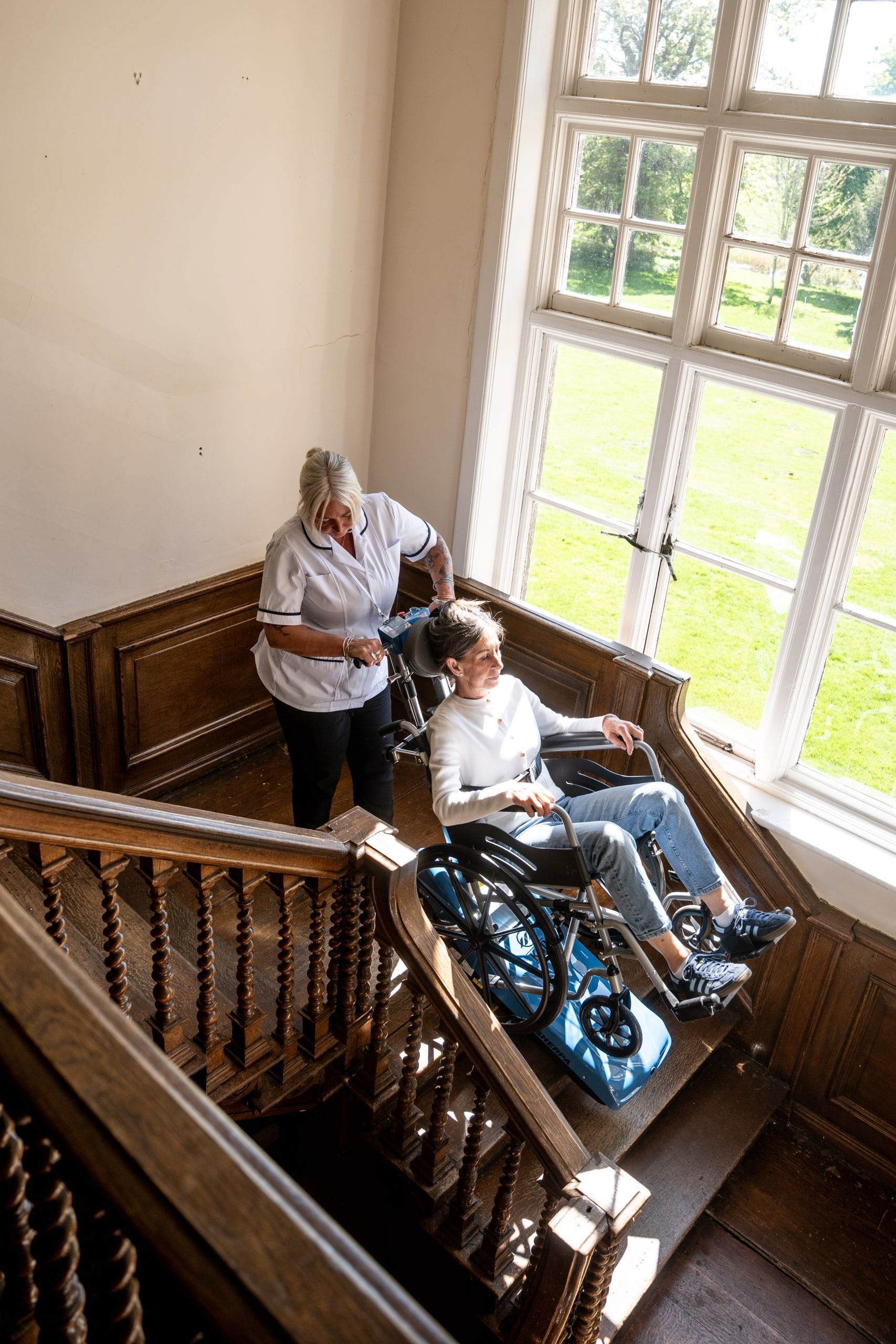
Alternatives to Stairlifts and Platform Lifts in London Buildings London buildings rarely present a simple access problem. A Georgian townhouse …
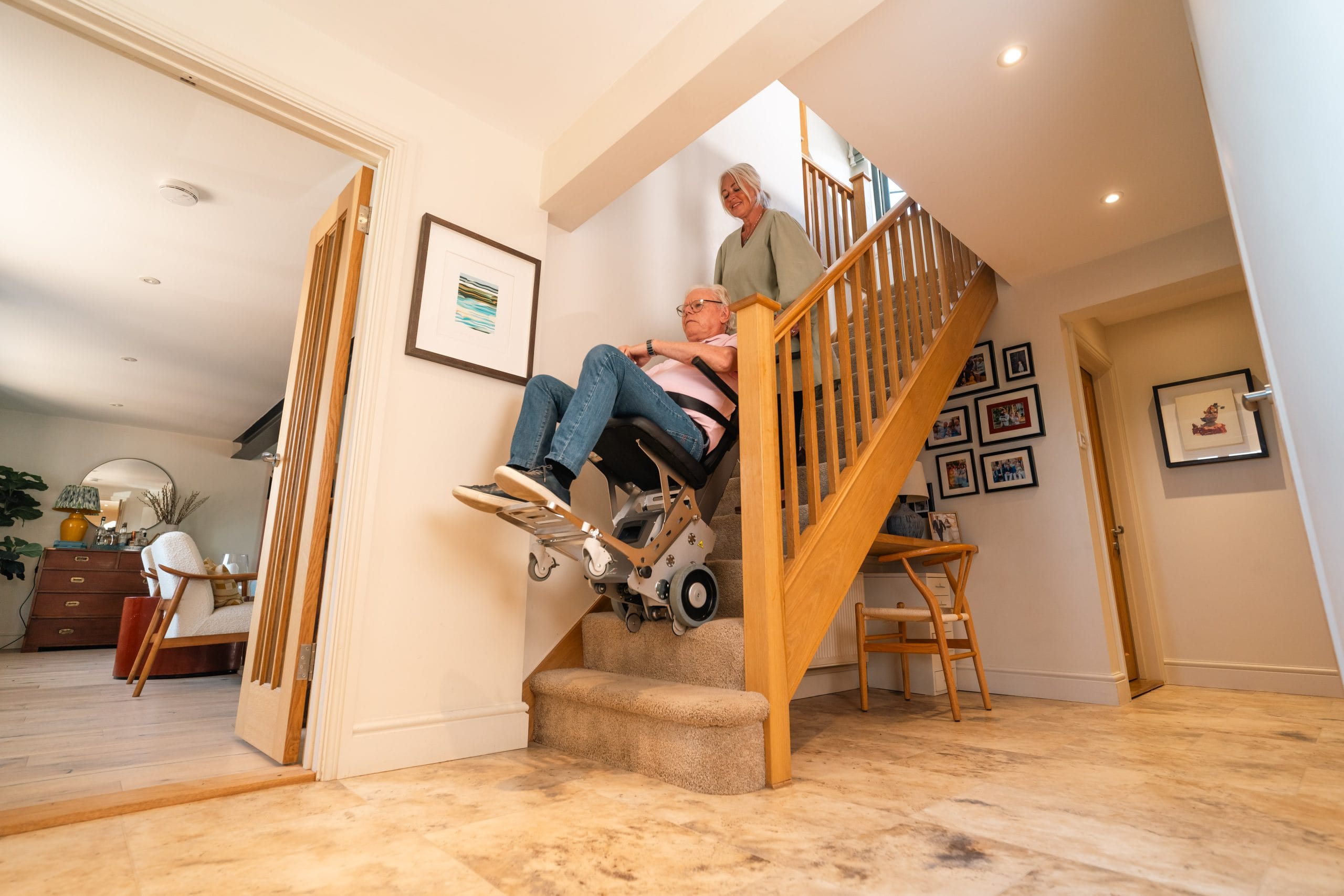
Alternatives to Stairlifts and Platform Lifts at Home: A Practical Guide for Community OTs When a person can no longer …
Estimated reading time: 6 minutes