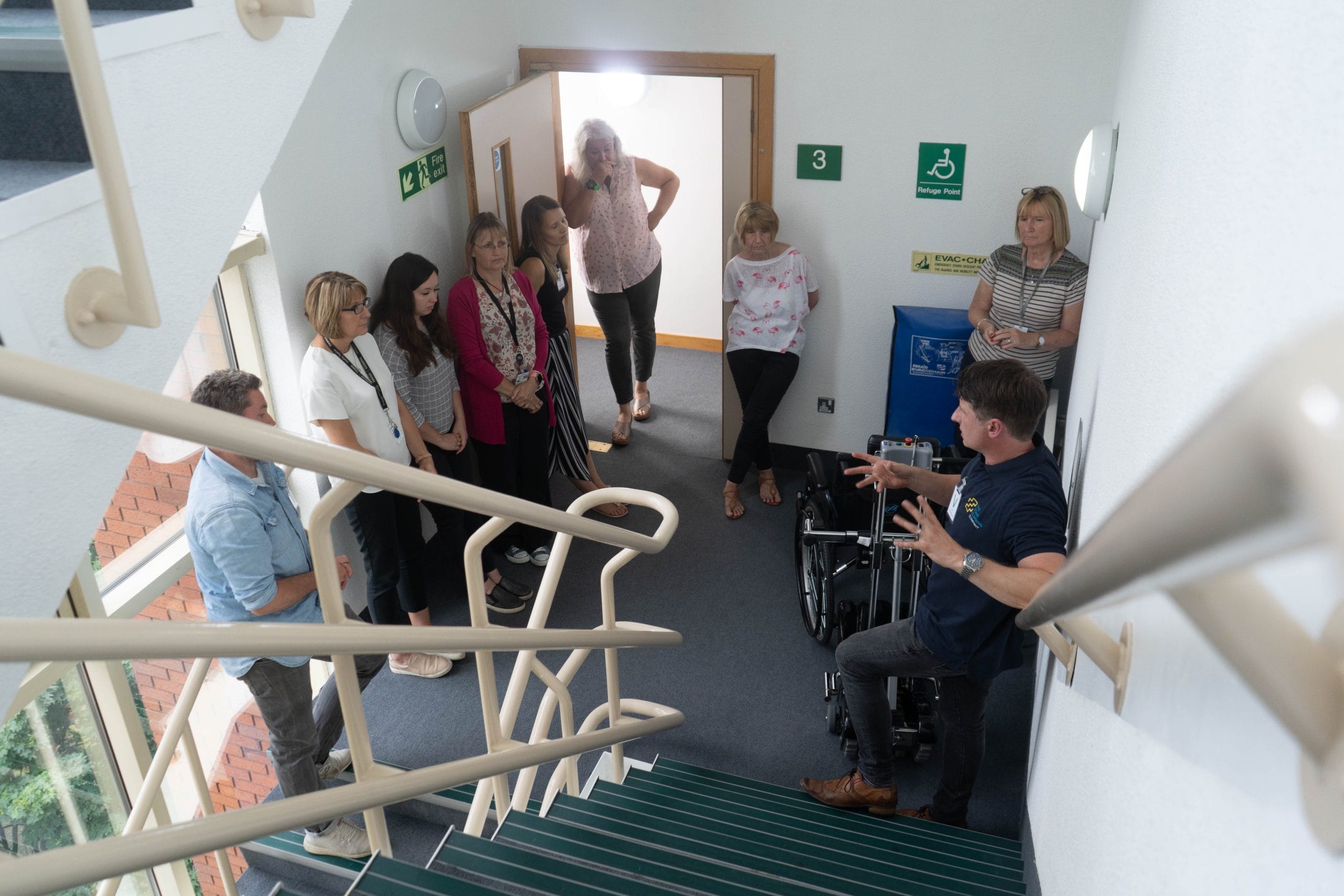
Powered Stair Climbers for Workplace Access: Removing Barriers Without Major Building Work
Powered Stair Climbers for Workplace Access: Removing Barriers Without Major Building Work Need to improve wheelchair access in your workplace? …

Ensuring equal access to education is a fundamental priority across the UK. Yet for many children with mobility challenges, stairs remain a major barrier within school environments. For occupational therapists (OTs), identifying safe, practical solutions is essential to enabling full participation in education.
Increasingly, stairclimbers for OTs are being recognised as a vital intervention in schools. Advances in technology, driven by providers such as
👉 https://thestairclimbingcompany.com
are transforming how educational settings manage accessibility.
Modern stairclimbers for children and paediatric stairclimbers now offer safe, efficient and flexible solutions that support inclusion without the need for major building adaptations.
This article explores how stairclimbers are improving access in schools, supporting OTs, and enhancing outcomes for children across the UK.
Access to all areas of a school is essential for a child’s development, education, and social inclusion.
According to the
👉 https://www.gov.uk/government/publications/send-code-of-practice-0-to-25
SEND Code of Practice, schools must make reasonable adjustments to ensure pupils with additional needs can participate fully.
However, many schools face challenges such as:
Without appropriate solutions, children may:
Paediatric stairclimbers provide a practical and immediate way to overcome these barriers.
A stairclimber is a device designed to transport individuals safely up and down stairs, either with powered or assisted movement. (en.wikipedia.org)
For OTs working in education, stairclimbers are a key tool to:
Guidance from the
👉 https://www.rcot.co.uk (Royal College of Occupational Therapists)
emphasises enabling participation in meaningful occupations, including education.
The UK continues to prioritise inclusive education, with more children with complex needs attending mainstream schools.
This has increased demand for:
Stairclimbers meet this need by providing immediate access across different environments.
While lifts and stairlifts are effective, they are not always practical.
Challenges include:
According to
👉 https://www.designcouncil.org.uk
inclusive design should be adaptable and responsive.
Stairclimbers offer a non-invasive, cost-effective alternative.
Carrying children on stairs presents significant risks for staff.
Guidance from the
👉 https://www.hse.gov.uk
highlights the dangers of manual handling, particularly on staircases.
Modern stairclimbers:
The national stairclimber offer has significantly improved due to innovation from companies like:
👉 https://thestairclimbingcompany.com
Key technological advancements include:
Modern stairclimbers use intelligent track systems that maintain stability on different stair types, including narrow and steep school staircases.
Newer models are easier to transport between classrooms or buildings, making them ideal for busy school environments.
Enhanced lithium battery systems provide:
Features now include:
These developments have made stairclimbers more practical and widely usable in education settings.
Access to all areas of a school allows children to:
This aligns with inclusion principles promoted by
👉 https://www.unicef.org/education
Without stair access, schools may need to:
Paediatric stairclimbers remove these barriers, allowing children to follow the same routines as their peers.
Where appropriate, stairclimbers support:
This is a key goal for occupational therapy in schools.
OTs play a crucial role in assessing and recommending stairclimbers.
Their responsibilities include:
Working with providers such as
👉 https://thestairclimbingcompany.com
to identify suitable models.
Ensuring staff are trained to use equipment safely and effectively.
Children often require more specialised solutions than adults.
Modern paediatric stairclimbers are designed to:
According to
👉 https://contact.org.uk
family-centred support is essential for children with disabilities.
Stairclimbers contribute by:
Unlike building adaptations, stairclimbers can be introduced quickly, supporting urgent needs such as:
Stairclimbers are significantly more affordable than installing lifts, making them accessible for:
Stairclimbers can be used in:
This flexibility is critical in education settings.
Eliminating manual carrying reduces:
Consider a primary school with classrooms on multiple floors and no lift.
Without a stairclimber:
With a paediatric stairclimber:
This demonstrates the transformative impact of stairclimbers for children in schools.
Stairclimbers are increasingly being integrated into:
Guidance from
👉 https://www.england.nhs.uk
supports collaborative approaches between health and education.
Innovation continues to improve stairclimber technology.
Future developments may include:
Providers are working closely with therapists to design solutions that meet real-world needs.
Providers such as
👉 https://thestairclimbingcompany.com
are helping schools across the UK improve accessibility by offering:
This has strengthened the national stairclimber offer and increased confidence in their use within education.
Stairclimbers for OTs are transforming accessibility in schools across the UK. They provide a safe, flexible and cost-effective solution to one of the most common barriers to inclusion.
Advances in technology have made paediatric stairclimbers more practical, reliable and widely applicable than ever before.
For children, these solutions enable:
For occupational therapists, stairclimbers are now an essential part of delivering effective, inclusive care within educational settings.
Powered Stair Climbers for Workplace Access: Removing Barriers Without Major Building Work Need to improve wheelchair access in your workplace? …

Powered Stair Climbers for Wheelchair Access: A Flexible Way to Overcome Stairs Need to create wheelchair access where stairs are …

Part M Stair Climbers for London Buildings: Accessible Retrofit Without Major Structural Change Improving accessibility in an existing London building? …

Part M Stair Climbers for Retrofit Buildings: Creating Accessible Buildings Without Major Structural Change Retrofitting an existing building and struggling …
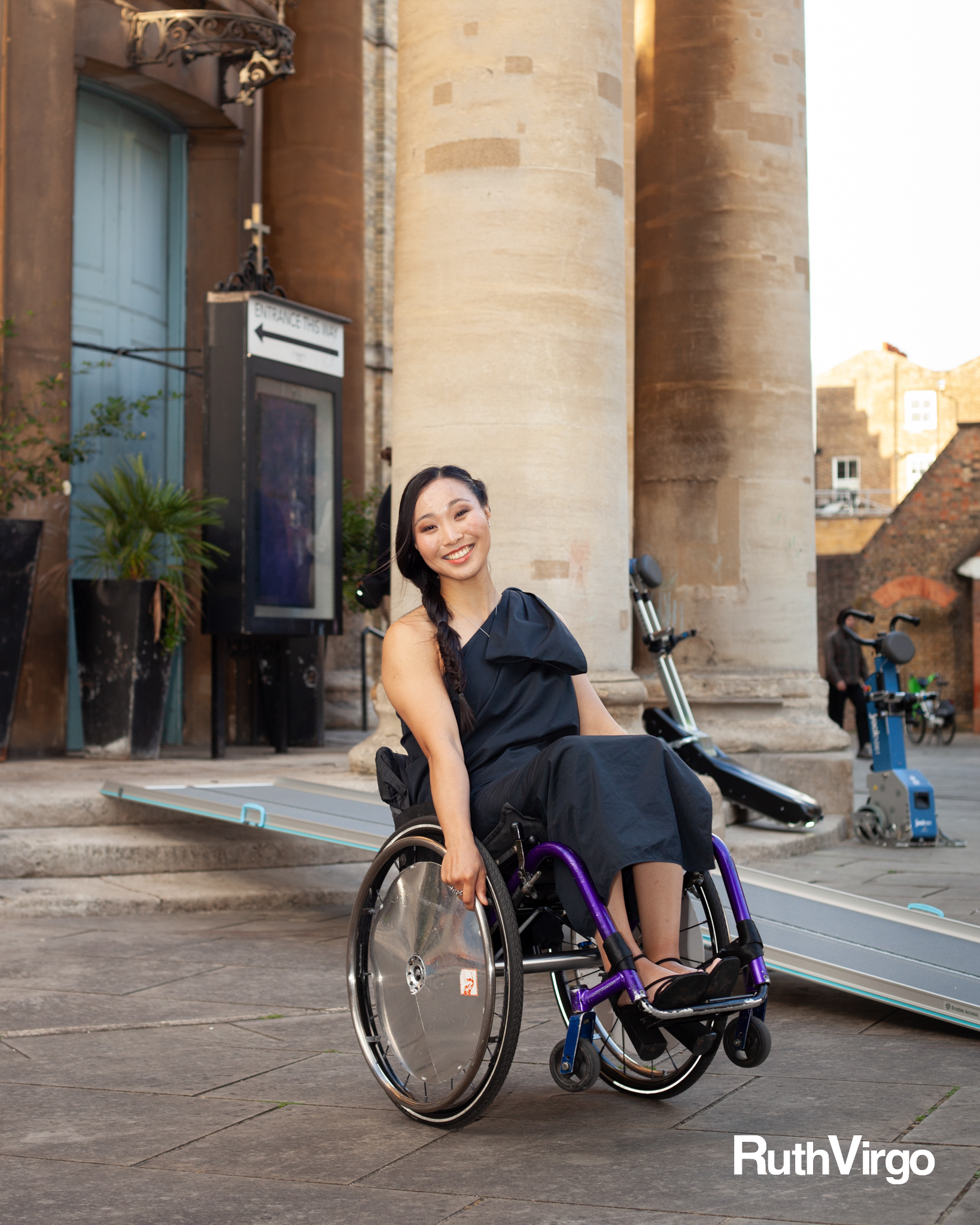
Part M Stair Climbers for London Retrofit Buildings: Practical Access in Constrained Spaces Discuss a London Access Assessment Retrofitting a …

Part M Stair Climber Access: Creating More Inclusive Buildings Without Losing Flexibility Creating an accessible building is rarely about a …
Estimated reading time: 6 minutes