Powered Stairclimbers in UK Universities: Creating More Accessible Campuses
University should be a place where students can learn, participate and build their future. Yet for wheelchair users and people …

Occupational therapists regularly support people whose independence, safety and daily routines are restricted by stairs. The difficulty may be caused by a long-term disability, a neurological condition, an injury, age-related mobility loss or the changing needs of a growing child.
In many cases, the staircase becomes one of the biggest barriers within the home.
Moving house may not be practical. A conventional stairlift may not be suitable for the individual, the property or a wheelchair user who cannot transfer safely. Structural adaptations can also be expensive, disruptive and slow to approve.
This is why stairclimbers for OTs have become an important part of modern equipment provision.
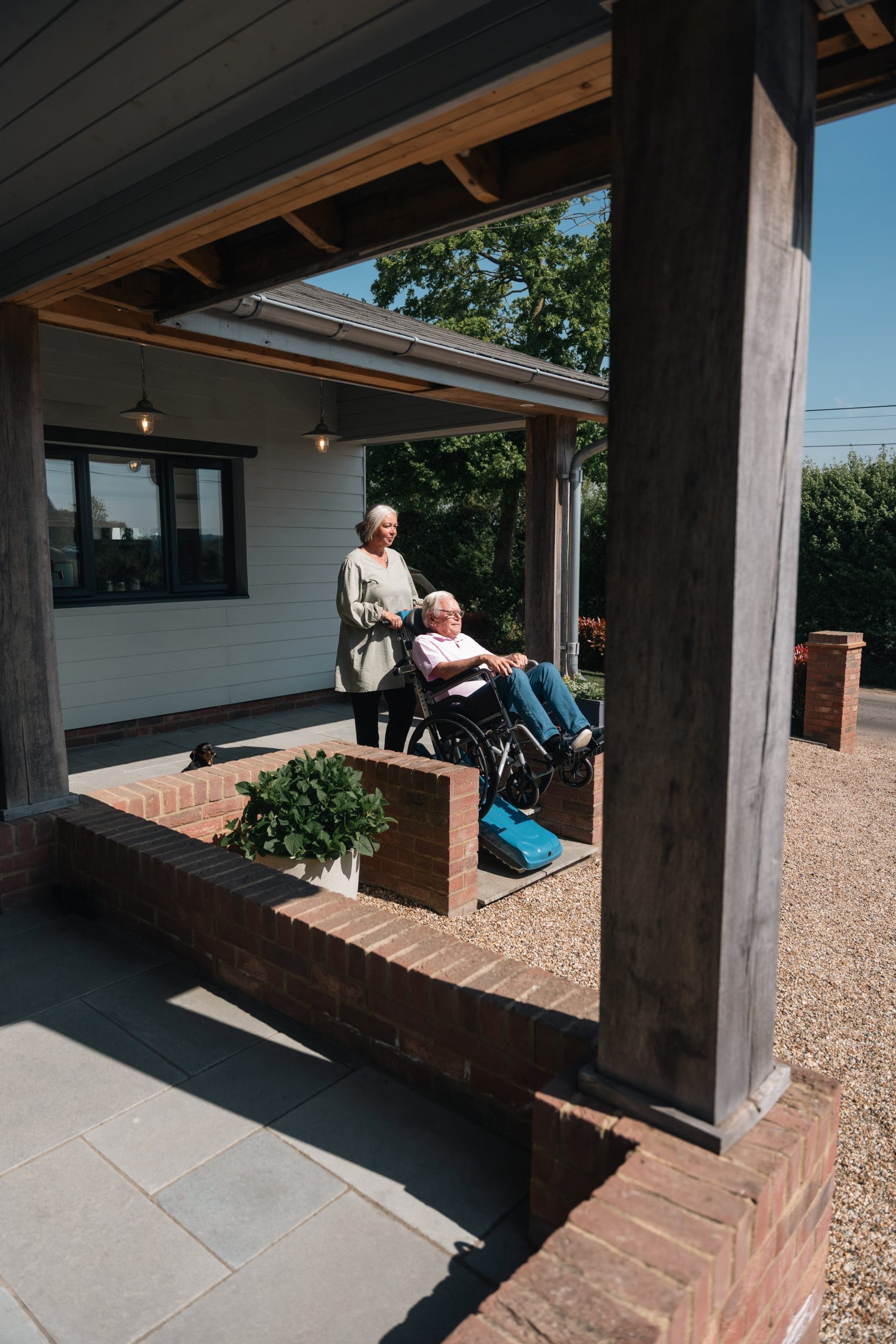
A powered stairclimber can provide a safe and practical way to move a person between floors without permanently altering the building. It can support adults, children and wheelchair users while helping families maintain access to essential areas of their homes.
For a broader introduction to the technology, applications and different types of equipment available, read our pillar guide to powered stairclimbers and flexible access.
A staircase does more than connect one floor to another. It often separates a person from their bedroom, bathroom, living space or front entrance.
When somebody can no longer manage the stairs, the consequences can affect almost every part of everyday life. A person may have to sleep downstairs, wash in an unsuitable room or rely on family members to carry them. Children may become increasingly dependent on their parents as they grow, while wheelchair users can find parts of their home completely inaccessible.
This can affect:
Occupational therapy considers how the person, their activities and their environment interact. A successful recommendation should therefore do more than overcome the physical staircase. It should help the person participate in the routines that matter to them.
The Royal College of Occupational Therapists explains that occupational therapy supports people to carry out the activities they need or want to do. Access between floors may be fundamental to achieving that outcome.
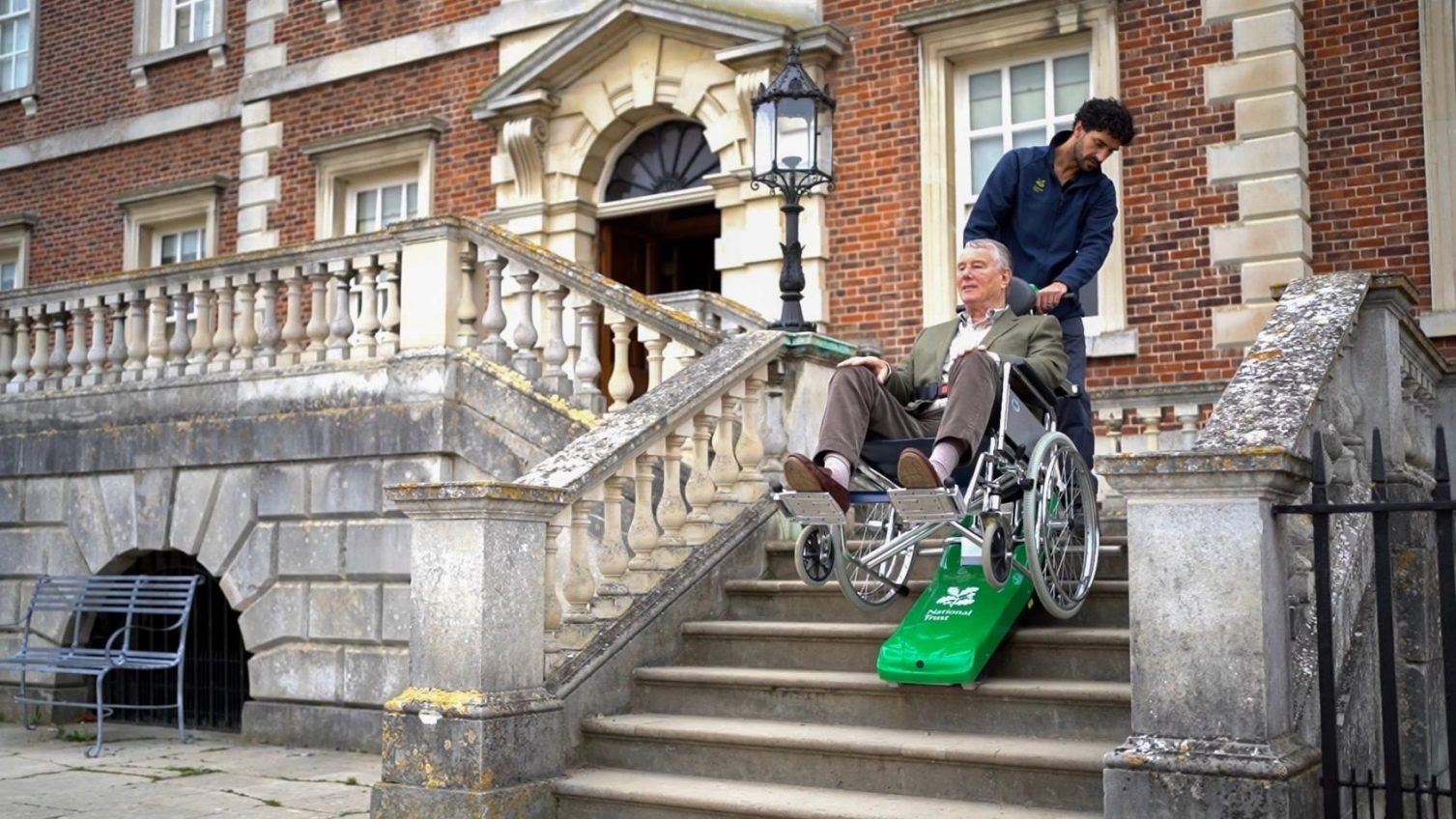
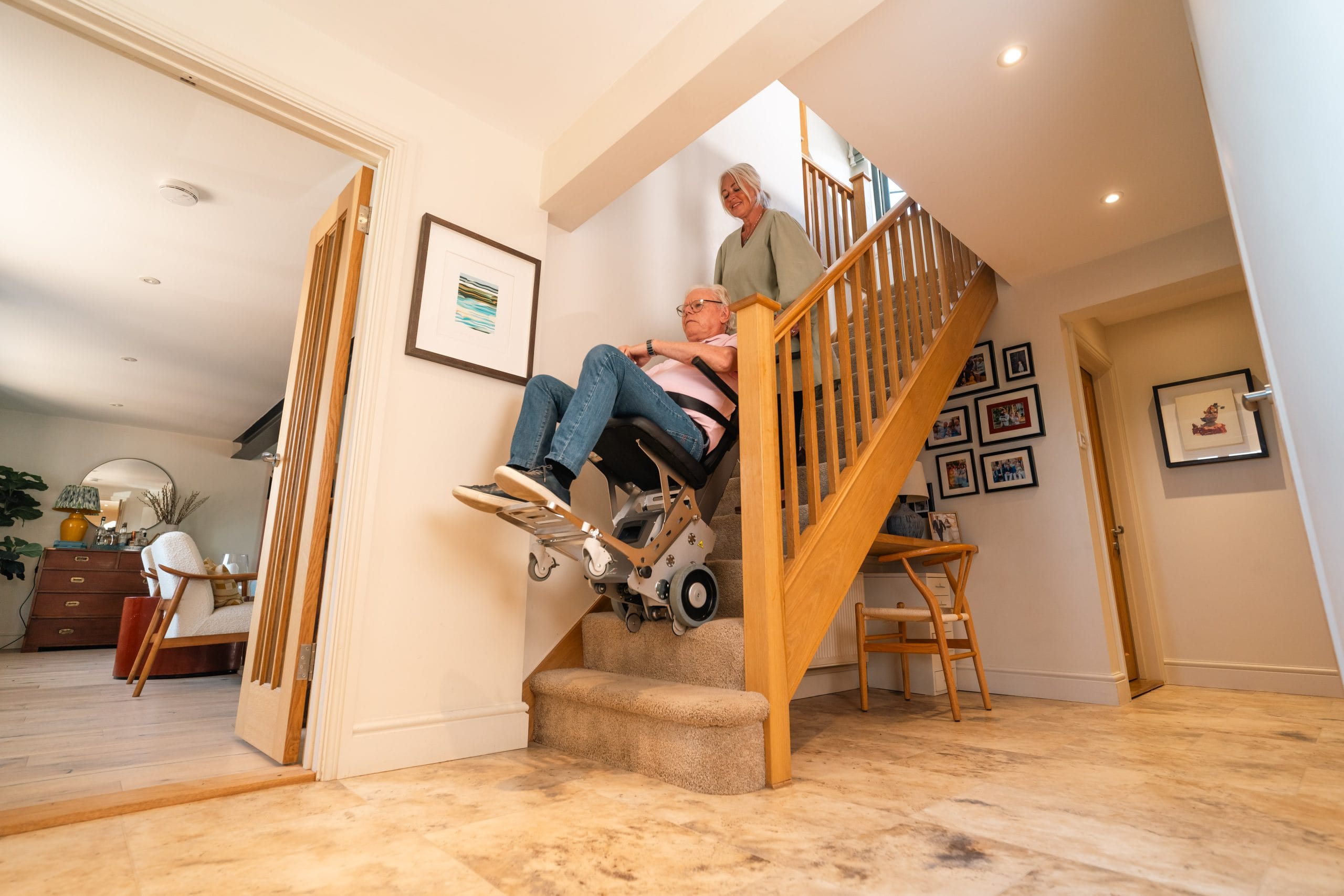
A powered stairclimber is a mobile device designed to transport a person safely up or down a staircase with the assistance of a trained operator.
Depending on the model, it may have an integrated seat or be designed to carry a compatible wheelchair. The machine uses a powered climbing system to move across each step in a controlled way.
Unlike a fixed stairlift, a stairclimber does not normally require permanent rails, structural alterations or major installation work. It can be stored when not required and, subject to assessment, may be used in different locations.
The main benefits can include:
However, a stairclimber should never be selected from a brochure alone. The user, wheelchair, seating, operator and staircase must all be assessed together.
Occupational therapists must often compare several possible access solutions. These might include rehousing, downstairs living, a stairlift, a through-floor lift, a platform lift, a ramp or a powered stairclimber.
Every option has benefits and limitations.
Fixed lifting equipment may provide an effective long-term solution, but it can require planning, landlord permission, building work and a considerable budget. Some properties simply do not have the space. Listed buildings, narrow homes, rented accommodation and communal entrances can present further complications.
A powered stairclimber can be particularly useful when:
The right recommendation will always depend on the individual circumstances. Stair climbers for OTs are not intended to replace every fixed adaptation. They provide another valuable option when conventional solutions cannot meet the complete need.
A good assessment begins with the person rather than the product.
The OT and stairclimber specialist should understand the individual’s diagnosis, mobility, posture, transfers, communication, behaviour and tolerance of movement. The person’s priorities and those of their family or carers must also be included.
Important questions include:
The Health and Safety Executive’s guidance on moving and handling emphasises the importance of individual risk assessment, appropriate equipment, training and regular review. It also states that assessments should consider the person’s abilities, the task, the environment and the assistance required.
These principles are directly relevant when assessing powered stairclimbers.
The equipment may be suitable for the person but unsuitable for the property. This is why a physical site assessment is essential.
The specialist should examine:
Measurements alone do not always reveal how the equipment will perform. A practical trial allows the OT, user and family to see the stairclimber operating on the actual staircase.
At The Stair Climbing Company, we provide on-site assessments so the complete journey can be considered. We do not simply look at the steps. We assess how the person approaches the stairclimber, how any transfer will be completed, how the equipment will turn on landings and what happens at the top and bottom of the route.
For some wheelchair users, transferring into a separate stairclimber seat may be uncomfortable, undignified or clinically inappropriate.
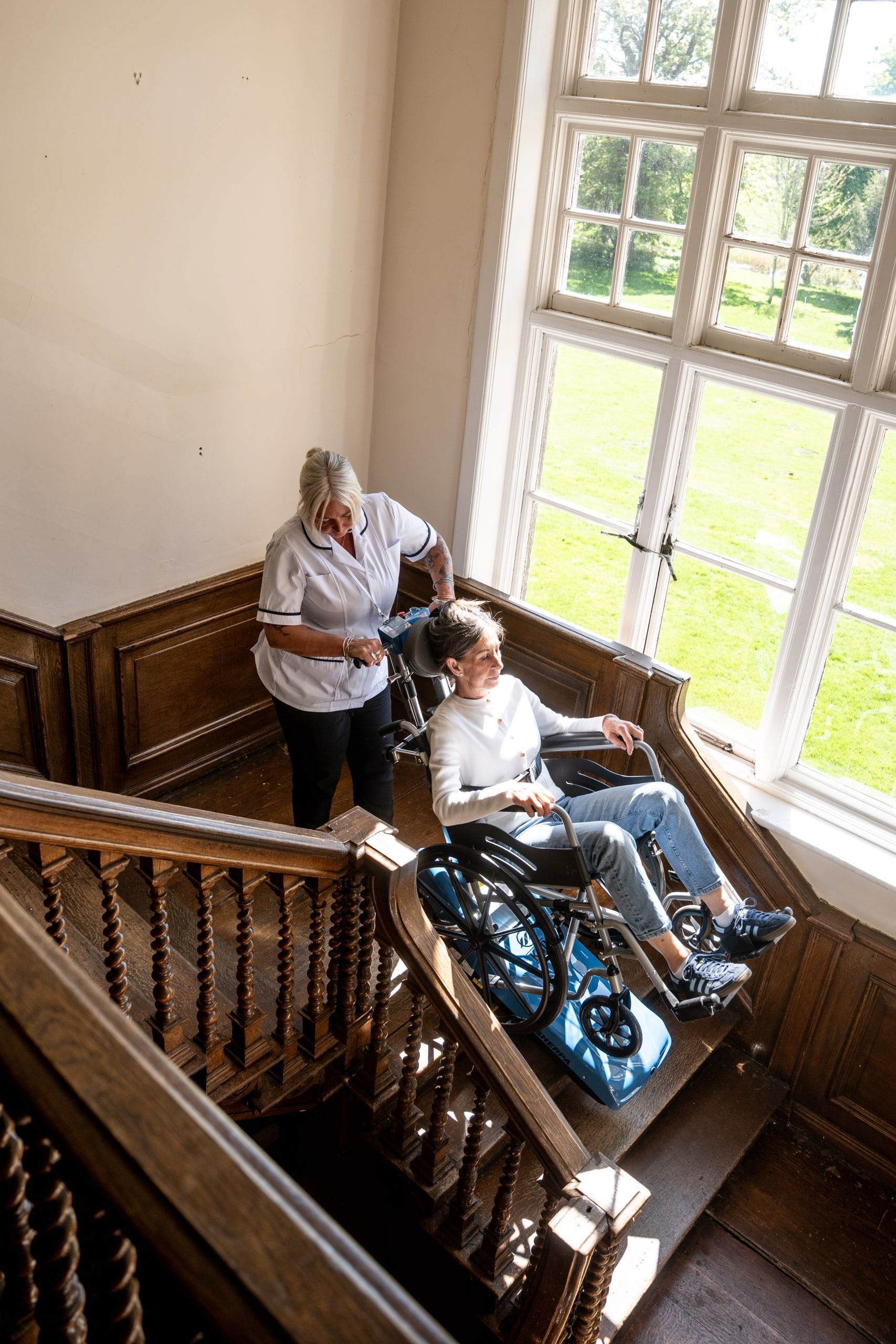
A wheelchair-carrying stairclimber can allow a compatible manual wheelchair to be attached to the machine. This may reduce unnecessary transfers and enable the person to remain within their prescribed seating system.
This can be especially valuable where the user has:
Wheelchair compatibility must be confirmed as part of the assessment. Wheelchair dimensions, construction, total load, attachments and centre of gravity can all influence suitability.
A successful trial should use the person’s own wheelchair wherever possible. It should never be assumed that every wheelchair can be safely attached to every stairclimber.
Childrens stairclimbers require an especially individual approach. A child is not simply a smaller adult. Their posture, development, sensory needs, communication and growth must all be considered.
A child may need help accessing:
Parents sometimes carry a young child upstairs because it initially appears to be the quickest option. As the child grows, this can become unsafe for both the child and parent. It may increase the risk of a fall, back injury or an uncontrolled movement on the staircase.
A powered paediatric stairclimber can provide a planned alternative. Depending on the child’s requirements, it may be configured with specialist seating or used with a suitable wheelchair.
The Stair Climbing Company works with a range of seating options to create stair-climbing solutions for children. These can include systems such as Special Tomato and X:Panda, subject to the child’s individual assessment.
The assessment should consider:
Recent RCOT guidance concerning equipment for children and young people highlights person-centred risk assessment, informed decision-making, participation and regular review. Where supportive seating, belts or harnesses are proposed, their purpose and proportionality should be clearly documented within the overall plan.
The child should be involved in the process in a way that reflects their age and communication needs. Familiarisation may need to take place gradually, allowing the child to experience the equipment away from the stairs before completing a full journey.
The success of a stairclimber is not determined only by whether it can travel up the stairs.
The recommended solution must also work within family life.
An operator may be a parent, partner, support worker or professional carer. Their height, strength, confidence and ability to follow the operating procedure are relevant. If several people will use the equipment, each person should receive appropriate training.
The OT may also need to consider what happens if the usual operator is unavailable. A solution that depends entirely on one person can leave the family without access if that person becomes ill, injured or unable to assist.
Good equipment provision should therefore consider:
These practical details can make the difference between equipment that is regularly used and equipment that is abandoned.
A powered stairclimber should only be used by somebody who has received suitable practical training.
Training should be completed on the intended staircase, using the chosen equipment and, when appropriate, with the individual who will travel in it. The operator needs to understand both normal use and the circumstances in which the stairclimber should not be used.
Training should include:
Operators should have enough time to practise. A short demonstration without hands-on participation is not sufficient.
The Stair Climbing Company provides professional stairclimber training with its equipment. We can also support OT teams through practical CPD sessions, helping practitioners understand the products, assessment process and circumstances in which a stairclimber may be suitable.
Clear documentation supports accountable decision-making and future review.
An OT report may record:
Where a stairclimber is recommended instead of a fixed adaptation, the report should explain why it represents a proportionate and workable solution.
For adults receiving care and support, the wellbeing principles within the Care Act 2014 may also be relevant. These include personal dignity, physical and emotional wellbeing, control over day-to-day life, participation and the suitability of living accommodation.
Stairclimber provision should not end at delivery.
The user’s weight, posture, mobility or wheelchair may change. Children grow, seating systems are replaced and family circumstances evolve. The staircase may also be altered through new flooring, decoration or building work.
A review should be considered when:
Routine servicing and inspection are also important. The equipment should be maintained in accordance with the manufacturer’s instructions and applicable workplace requirements.
The Stair Climbing Company provides continuing aftercare and servicing support so OTs, equipment stores and families have a clear point of contact after provision.
Local authorities and equipment providers may already hold stairclimbers that are no longer allocated. Repurposing suitable equipment can reduce waste, shorten waiting times and make better use of public resources.
However, reissue should involve more than cleaning the machine and sending it to another home.
The stairclimber must be reassessed for:
The Stair Climbing Company can assess and repurpose different makes and models for OT teams and equipment providers. Where appropriate, we can service the machine, source parts, adapt the configuration and train the new operators.
This gives OTs a practical way to bring unused equipment back into service while maintaining a person-centred assessment process.
The best outcomes are achieved when the OT, user, family and equipment specialist work together.
The OT contributes detailed knowledge of the person’s functional ability, routines and clinical needs. The stairclimber specialist contributes product knowledge, staircase assessment and practical operating experience. The family explains how the proposed solution will fit into everyday life.
Our approach is built around that partnership.
We offer:
You can learn more about our dedicated stairclimber solutions for occupational therapists.
Stairs can restrict far more than movement. They can affect dignity, family relationships, education, personal care and the ability to remain in a familiar home.
For occupational therapists, the challenge is to identify a solution that is safe, clinically appropriate and realistic for the environment. Fixed adaptations will remain the right answer in many situations, but they are not the only answer.
Stairclimbers for OTs can provide flexible access where permanent alterations are unsuitable, unaffordable or unavailable. They can support wheelchair users, reduce unnecessary transfers and provide a valuable alternative to carrying a child or adult on the stairs.
The key is assessment. The person, equipment, staircase and operator must be considered as one complete system.
If you are an occupational therapist reviewing a difficult access case, The Stair Climbing Company can visit the property, assess the staircase and demonstrate an appropriate solution. Our aim is not simply to supply equipment. It is to help OTs and families create safe, practical access that works in real life.
Contact The Stair Climbing Company to arrange a free assessment or discuss an adult or children’s stairclimber case.
University should be a place where students can learn, participate and build their future. Yet for wheelchair users and people …
A Complete Guide to Powered Stairclimbers Creating accessible places is not always as simple as installing a ramp, passenger lift …

Alternatives to Stairlifts and Platform Lifts for London Universities An accessible university campus is more than an accessible main entrance. …
Alternatives to Stairlifts and Platform Lifts in London Buildings London buildings rarely present a simple access problem. A Georgian townhouse …
Alternatives to Stairlifts and Platform Lifts at Home: A Practical Guide for Community OTs When a person can no longer …
Estimated reading time: 12 minutes