Powered Stairclimbers in UK Universities: Creating More Accessible Campuses
University should be a place where students can learn, participate and build their future. Yet for wheelchair users and people …

Manchester has long been recognised as one of the UK’s most influential cities. With a thriving business community, world-class universities, major healthcare facilities, extensive transport infrastructure and a growing number of residential developments, the city continues to attract investment, innovation and population growth. As Manchester evolves, organisations are facing increasing responsibilities when it comes to protecting building occupants during emergencies.
One of the most important aspects of modern fire safety and emergency preparedness is ensuring that everyone can evacuate safely, regardless of mobility limitations. This includes wheelchair users, individuals with temporary injuries, older people, those with long-term health conditions and anyone who may struggle to use stairs during an emergency.
As a result, Powered Evacuation Chairs are becoming an increasingly important part of emergency evacuation planning across Manchester. While traditional evacuation chairs continue to provide an effective and proven solution in many environments, Powered Evac Chairs and Powered Stairclimbers are helping organisations improve safety, reduce manual handling risks and create more inclusive evacuation strategies.
The growing emphasis on PEEPs, RPEEPs, GEEPs and BEEPs has also brought greater attention to the role evacuation equipment plays in supporting safe and effective emergency procedures. Organisations are increasingly recognising that evacuation planning must go beyond compliance and focus on practical, realistic solutions that work when they are needed most.
Manchester is home to a diverse range of building types. Historic commercial buildings sit alongside modern skyscrapers. Universities accommodate thousands of students across multiple campuses. Hospitals and healthcare facilities operate around the clock. Residential developments continue to rise across the city centre and surrounding boroughs.
Each of these environments presents unique evacuation challenges.
In an emergency situation, lifts may become unavailable, leaving staircases as the primary means of escape. For people who cannot safely use stairs without assistance, organisations must have a clear and effective evacuation strategy in place.
This is where evacuation chairs, Powered Evacuation Chairs and Powered Stairclimbers play a critical role.
A well-designed evacuation plan ensures that mobility impaired individuals are not left waiting for assistance or dependent upon emergency services to complete their evacuation. Instead, trained personnel can use appropriate equipment to move occupants safely and efficiently to a place of safety.
For Manchester organisations committed to accessibility, safety and best practice, this approach is becoming increasingly important.
Traditional evacuation chairs remain one of the most widely used evacuation solutions across the United Kingdom.
They have supported safe emergency evacuation for decades and continue to provide significant value in many buildings.
Traditional evacuation chairs are typically lightweight, compact and easy to store. Their design allows trained operators to guide an individual down staircases using specialised friction-based track systems.
For many Manchester organisations, these chairs continue to offer a practical and cost-effective evacuation solution.
They are particularly effective in smaller buildings, lower-rise properties and environments where evacuation routes are relatively straightforward. Their simplicity and familiarity also make them a popular choice among facilities managers and health and safety teams.
When supported by proper training, routine inspections and regular evacuation drills, traditional evacuation chairs remain an essential component of emergency preparedness.
Their continued popularity demonstrates that they still have an important place within modern evacuation strategies.
While traditional evacuation chairs remain effective, many organisations are now seeking solutions that offer greater operator support and enhanced evacuation control.
Powered Evacuation Chairs have emerged as one of the most significant developments in evacuation technology in recent years.
Unlike manual systems, Powered Evac Chairs utilise motorised technology to assist movement on staircases. This reduces the amount of physical effort required by operators while improving stability and control throughout the evacuation process.
The benefits become particularly apparent in larger buildings or environments with multiple floors.
In Manchester’s expanding commercial and residential sectors, evacuation routes often involve long staircases and complex building layouts. During an emergency, operators may be required to move an individual over considerable distances while maintaining complete control.
Powered Evacuation Chairs help address these challenges by supporting a smoother and more controlled evacuation experience.
This not only improves safety for the person being evacuated but also reduces physical strain on staff members responsible for carrying out the evacuation.
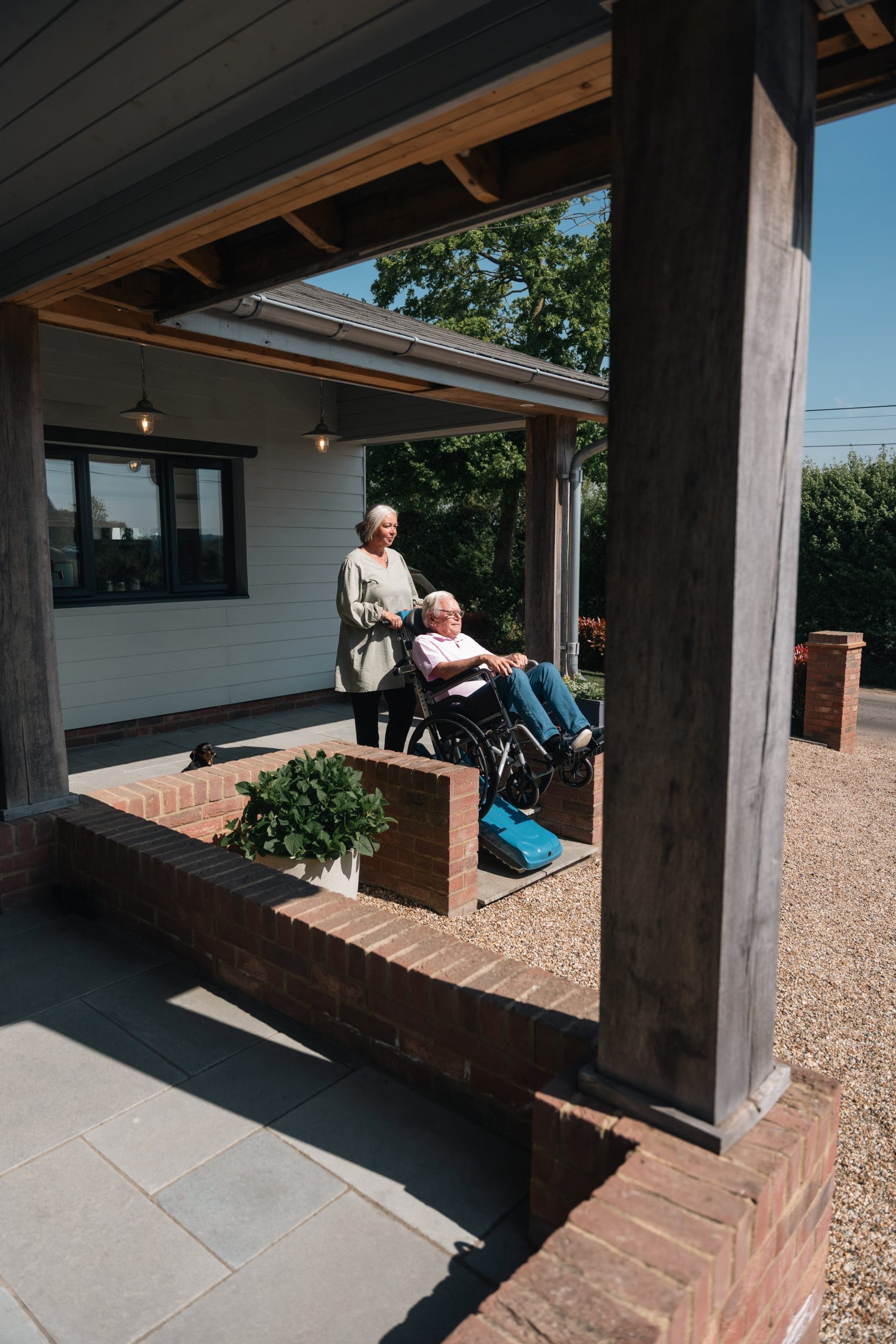
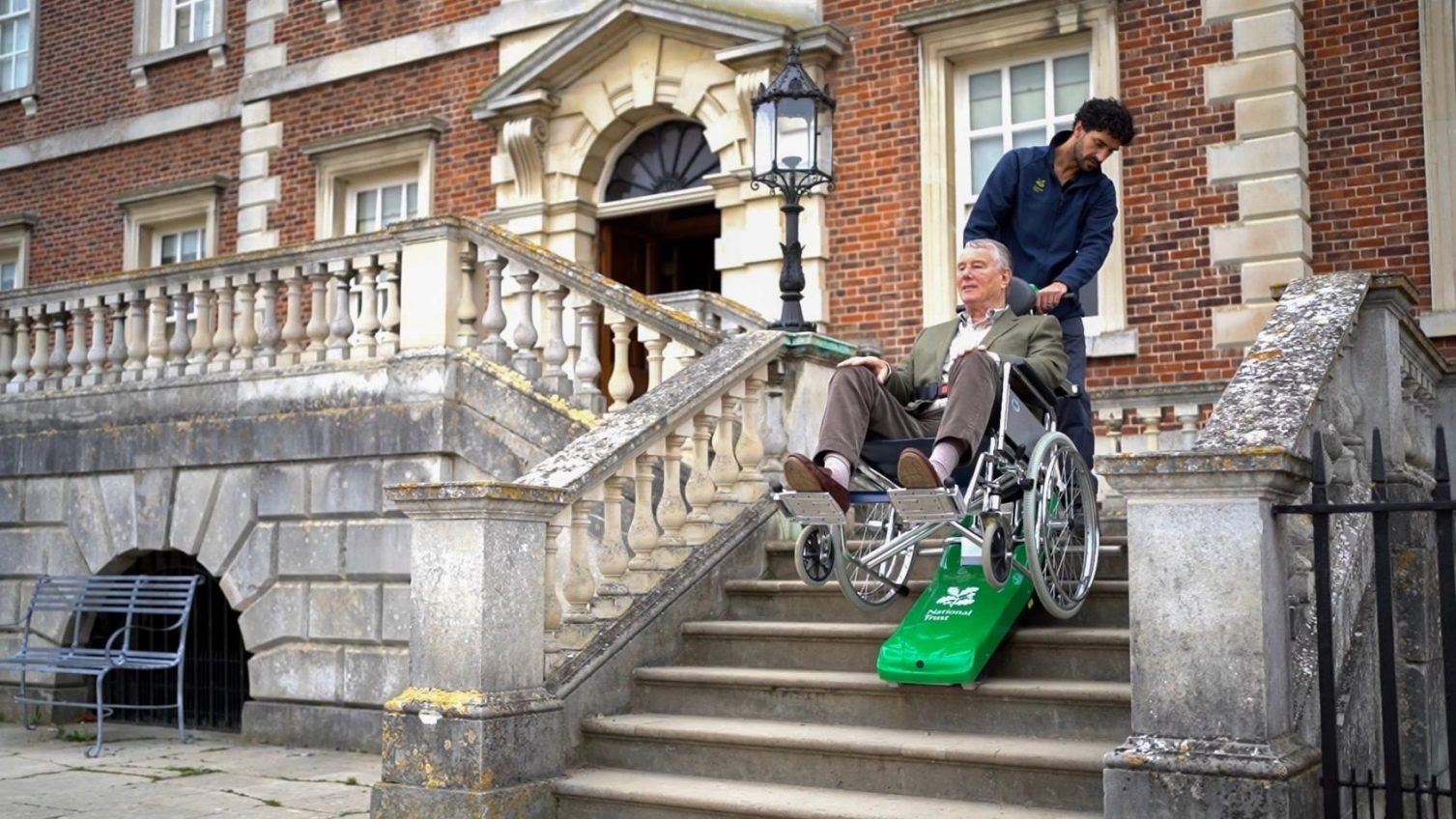
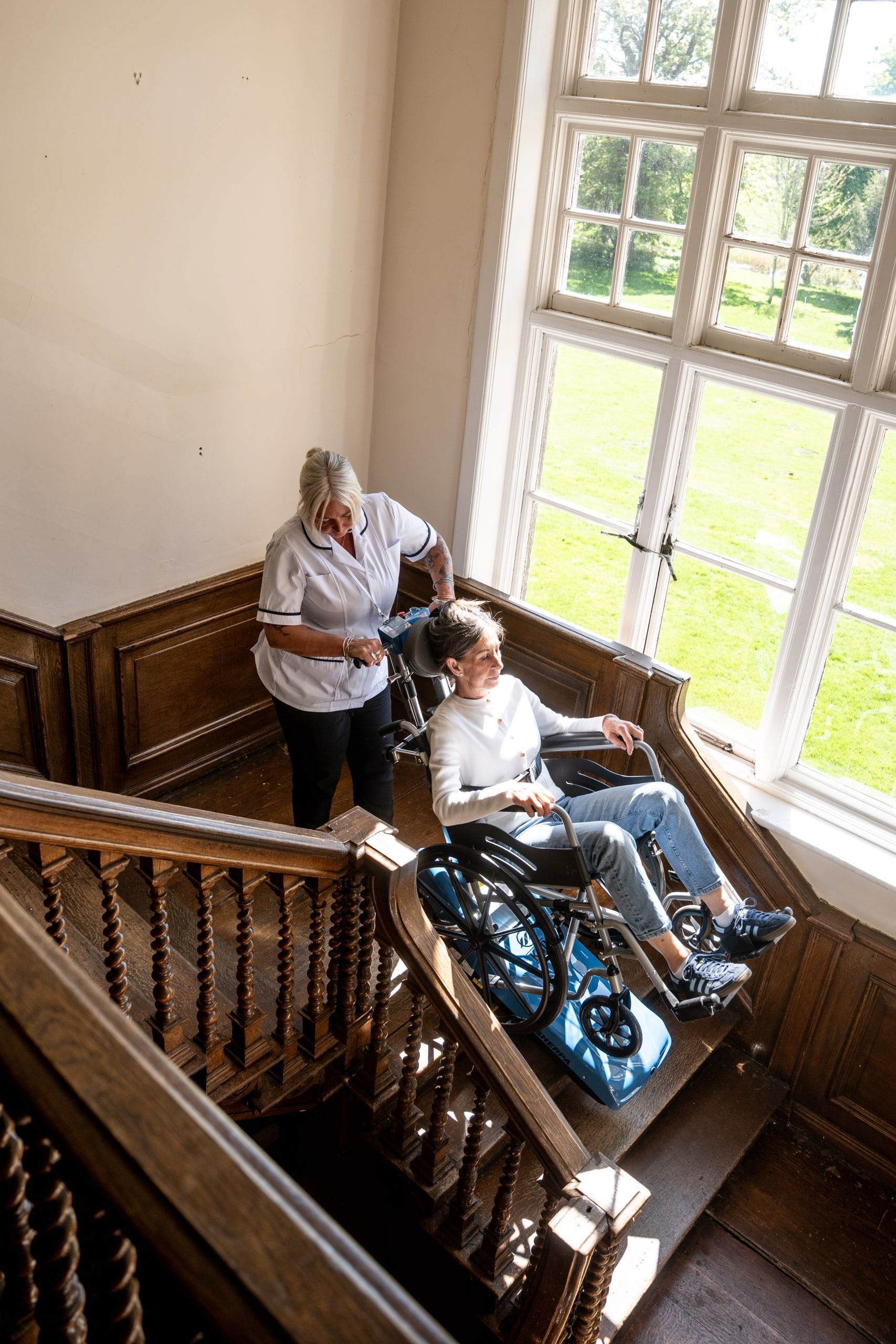
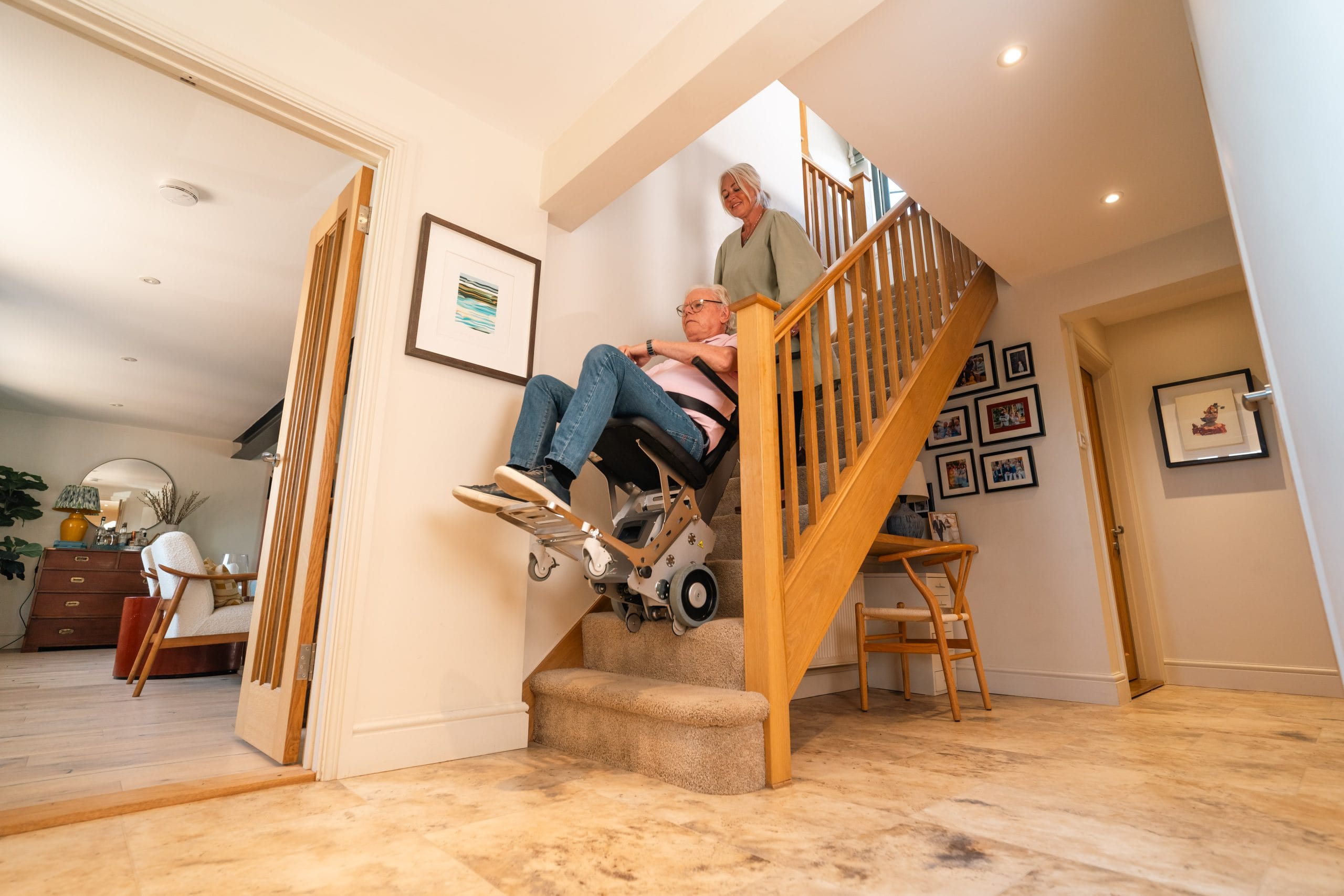
Powered Stairclimbers are also becoming increasingly popular throughout Manchester.
These innovative systems are specifically designed to transport individuals safely on staircases while minimising operator effort.
Powered Stairclimbers provide controlled movement on stairs and can significantly reduce the manual handling demands associated with traditional evacuation methods.
For organisations responsible for managing large buildings, this can be a major advantage.
Healthcare facilities, universities, hotels, shopping centres and public sector buildings often face unique evacuation challenges due to occupancy levels and building complexity.
Powered Stairclimbers provide a practical solution that supports both accessibility and safety objectives.
Many Manchester organisations are now incorporating Powered Stairclimbers into wider evacuation planning frameworks to ensure they are prepared for a variety of emergency scenarios.
Personal Emergency Evacuation Plans, commonly referred to as PEEPs, remain one of the cornerstones of effective evacuation planning.
A PEEP is designed to identify the specific support an individual may require during an emergency evacuation.
The plan considers factors such as mobility, location within the building, available assistance, evacuation routes and equipment requirements.
The effectiveness of a PEEP depends upon the organisation’s ability to implement it under real emergency conditions.
Powered Evacuation Chairs can strengthen PEEPs by making evacuation procedures more achievable and less reliant on physical strength alone.
In many Manchester workplaces, staff members may not regularly perform physically demanding tasks. During an emergency, this can create uncertainty or concern regarding manual evacuation procedures.
Powered Evac Chairs help increase confidence by providing additional support during stair descent, making it easier for trained operators to carry out their responsibilities effectively.
Residential Personal Emergency Evacuation Plans, known as RPEEPs, have become an increasingly important topic within the fire safety sector.
Manchester’s growing residential landscape includes apartment blocks, mixed-use developments, student accommodation and supported housing environments.
These buildings accommodate people with a wide range of mobility requirements.
RPEEPs focus on ensuring that residents who may require assistance have appropriate evacuation arrangements in place.
Powered Evacuation Chairs can form an important part of these arrangements, particularly where stair evacuation may be required.
For housing providers, managing agents and responsible persons, powered evacuation solutions demonstrate a commitment to inclusive resident safety.
They also help support practical evacuation planning that can be implemented effectively during emergencies.
Generic Emergency Evacuation Plans, or GEEPs, provide a broader framework for supporting groups of people who may share similar evacuation requirements.
GEEPs are often used in environments where creating individual plans for every visitor is not practical.
This is particularly relevant in Manchester’s universities, conference venues, entertainment facilities, museums and public buildings.
Powered Evacuation Chairs support GEEPs by offering a versatile evacuation solution capable of accommodating a wide range of users.
Their enhanced control and reduced operator demands make them especially valuable in high-occupancy environments where flexibility is essential.
By incorporating Powered Evac Chairs into GEEP strategies, organisations can improve their ability to respond effectively to changing circumstances during emergencies.
Building Emergency Evacuation Plans, commonly known as BEEPs, take a comprehensive approach to emergency preparedness.
A BEEP considers every aspect of a building’s evacuation strategy, including occupancy, alarm systems, escape routes, refuge areas, evacuation equipment and staff responsibilities.
Powered Evacuation Chairs play an increasingly important role within these plans.
As expectations around accessibility and inclusive design continue to evolve, organisations are recognising the importance of selecting evacuation equipment that supports all occupants.
Including Powered Stairclimbers and Powered Evac Chairs within a BEEP demonstrates a proactive approach to building safety.
It also helps organisations ensure that evacuation procedures remain practical and achievable under real-world conditions.
Manchester organisations seeking to improve evacuation preparedness increasingly turn to specialist providers for guidance and support.
The Stair Climbing Company and The Evacuation Company have established strong reputations within the evacuation sector through their commitment to safety, innovation and customer support.
Their expertise extends far beyond equipment supply.
Both organisations help clients assess evacuation risks, evaluate building requirements, develop evacuation strategies and deliver practical training.
This holistic approach ensures that evacuation equipment is properly integrated into wider emergency planning processes.
The Stair Climbing Company specialises in advanced Powered Stairclimbers and powered evacuation solutions that help organisations overcome complex stair evacuation challenges.
The Evacuation Company provides a comprehensive range of evacuation products and support services designed to help organisations improve emergency preparedness.
Together, they are helping shape the future of evacuation planning across Manchester and the wider UK.
One of the most common questions organisations ask is whether they should choose a traditional evacuation chair or a Powered Evacuation Chair.
The answer depends on several factors.
Traditional evacuation chairs remain highly effective in many environments. They continue to provide excellent value and can be the ideal solution for buildings with relatively simple evacuation requirements.
Powered Evacuation Chairs offer additional benefits where manual handling concerns, building complexity or operator confidence require greater support.
For many Manchester organisations, the decision is not necessarily one or the other.
A combination of traditional and powered solutions may provide the most effective overall strategy.
This approach allows organisations to match equipment to specific areas of a building while ensuring maximum flexibility during emergencies.
Manchester’s continued growth means that emergency evacuation planning will remain a critical consideration for organisations across every sector.
The increasing focus on PEEPs, RPEEPs, GEEPs and BEEPs reflects a broader commitment to creating safer and more inclusive environments.
Powered Evacuation Chairs, Powered Evac Chairs and Powered Stairclimbers are playing a significant role in this evolution.
By reducing operator strain, improving control and supporting more inclusive evacuation strategies, these technologies are helping organisations meet the demands of modern building management.
Traditional evacuation chairs will continue to provide valuable support in many settings. However, powered solutions are increasingly becoming the preferred choice where organisations seek to enhance safety, improve accessibility and future-proof their evacuation arrangements.
For Manchester businesses, universities, healthcare providers, residential operators and public sector organisations, investing in Powered Evacuation Chairs represents more than a compliance decision. It reflects a commitment to protecting people, supporting staff and delivering the highest standards of emergency preparedness.
With guidance from The Stair Climbing Company and The Evacuation Company, organisations throughout Manchester can develop robust evacuation strategies that align with best practice, support PEEPs, RPEEPs, GEEPs and BEEPs, and ensure that every occupant has access to a safe and effective route to safety during an emergency.
As expectations around accessibility continue to rise, Powered Evacuation Chairs and Powered Stairclimbers are set to become an increasingly important part of Manchester’s emergency evacuation landscape.
Estimated reading time: 9 minutes
University should be a place where students can learn, participate and build their future. Yet for wheelchair users and people …
A Complete Guide to Powered Stairclimbers Creating accessible places is not always as simple as installing a ramp, passenger lift …

Alternatives to Stairlifts and Platform Lifts for London Universities An accessible university campus is more than an accessible main entrance. …
Alternatives to Stairlifts and Platform Lifts in London Buildings London buildings rarely present a simple access problem. A Georgian townhouse …
Alternatives to Stairlifts and Platform Lifts at Home: A Practical Guide for Community OTs When a person can no longer …