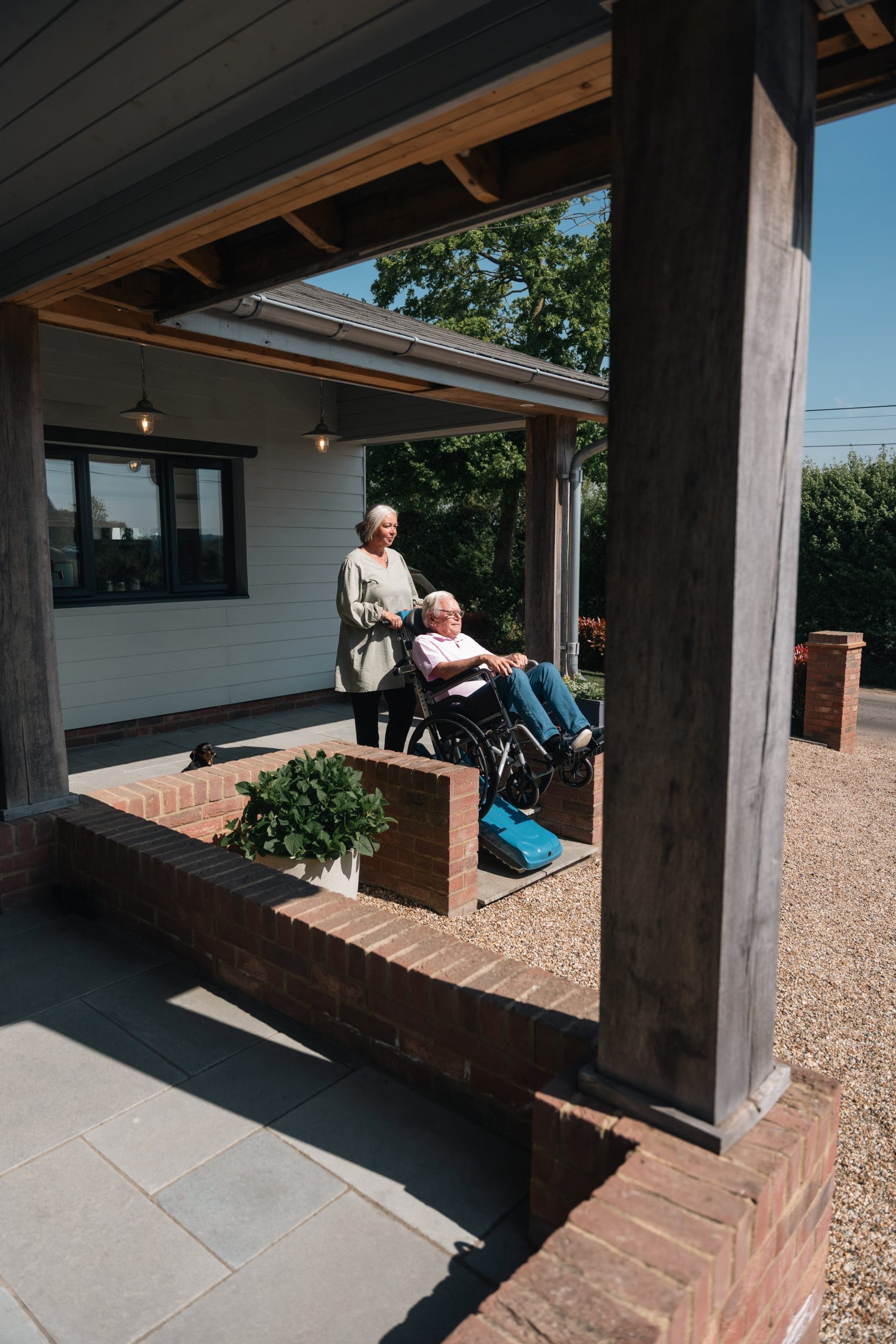
Powered Stairclimbers in UK Universities: Creating More Accessible Campuses
University should be a place where students can learn, participate and build their future. Yet for wheelchair users and people …

Liverpool is a city with a unique mix of historic buildings, modern commercial spaces, universities, hospitals, hotels, residential developments and busy public venues. From the waterfront and city centre to business parks, healthcare sites and education campuses, organisations across Liverpool are responsible for making sure that every person in a building can evacuate safely during an emergency.
That responsibility includes people who cannot use stairs without assistance. This may include wheelchair users, people with long-term mobility impairments, older occupants, pregnant people, visitors with temporary injuries, members of staff recovering from surgery or anyone who may struggle to move quickly during an emergency.
As more Liverpool organisations review fire safety, accessibility and emergency procedures, Powered Evacuation Chairs are becoming an increasingly important part of evacuation planning. Traditional evacuation chairs remain a trusted and valuable option in many settings, but Powered Evac Chairs and Powered Stairclimbers offer extra support where buildings are larger, stair routes are more demanding or manual handling risks need to be reduced.
The conversation is closely linked to PEEPs, RPEEPs, GEEPs and BEEPs. These evacuation acronyms are central to responsible planning because they help organisations think properly about people, buildings, equipment and procedures before an emergency happens.
A PEEP is a Personal Emergency Evacuation Plan. It is used when an individual may need specific assistance to leave a building safely. A RPEEP is a Residential Personal Emergency Evacuation Plan and is particularly relevant to residential buildings where residents may need support in an emergency. A GEEP is a Generic Emergency Evacuation Plan, which helps organisations support people with similar evacuation needs when individual plans are not practical. A BEEP is a Building Emergency Evacuation Plan, which looks at the wider emergency strategy for the whole premises.
For Liverpool employers, landlords, facilities managers, education providers, healthcare organisations and public sector teams, these plans are not just paperwork. They only work when the right people, training, routes and equipment are in place. This is where evacuation chairs, Powered Evacuation Chairs and Powered Stairclimbers all have an important role.
Traditional evacuation chairs have been used across the UK for many years. They are widely recognised, relatively compact and suitable for many buildings. In the right setting, with trained operators, they provide a practical method of helping a person descend stairs during an emergency.
Their strengths are clear. Traditional evacuation chairs are usually easy to store near stairwells or refuge points. They are familiar to many fire safety teams and can be a cost-effective solution for buildings with straightforward stair layouts. They can also be suitable where only occasional assisted evacuation is expected and where operators are confident, trained and physically able to use the equipment.
For many Liverpool buildings, traditional evacuation chairs will continue to be a valuable part of emergency preparedness. They have helped improve evacuation arrangements across offices, schools, care settings, leisure venues and public buildings. When maintained properly and included within regular drills, they can support safe evacuation and give organisations a clear method for assisting mobility impaired occupants.
However, traditional evacuation chairs also rely heavily on operator strength, confidence and technique. Evacuating a person down stairs can be physically demanding, especially across several floors. The challenge can become greater if the occupant is nervous, if the staircase is long, if the operator is smaller in stature or if the evacuation route is busy and stressful.
This is one reason Powered Evacuation Chairs are attracting more attention in Liverpool.
Powered Evacuation Chairs are designed to reduce the physical effort required from operators. Instead of relying almost entirely on manual control, powered systems use motorised assistance to help move the chair on stairs. This can improve control, reduce strain and help operators feel more confident during evacuation.
Powered Evac Chairs can be particularly useful in larger buildings, multi-storey offices, hotels, healthcare sites, student accommodation, public buildings and residential developments. In a city such as Liverpool, where older buildings sit alongside new developments, equipment choice must reflect the reality of the building environment.
A Powered Evacuation Chair can help bridge the gap between compliance and practical usability. It is not enough to say that a person can be evacuated. The evacuation method must be realistic, repeatable and safe for the person being moved and for the staff responsible for assisting them.
Powered Stairclimbers offer similar benefits. They are designed to move people safely on staircases while reducing manual handling pressure. For organisations managing evacuation risks, Powered Stairclimbers can support safer movement and improve the overall effectiveness of emergency procedures.
The benefit of powered technology is not only physical. It can also improve confidence. During an emergency, staff may feel anxious about using equipment, especially if they have not used it recently or if they are concerned about the weight of the person being evacuated. Powered Evacuation Chairs can help reduce that anxiety because the equipment supports a smoother, more controlled process.
This matters when building a strong PEEP.
A Personal Emergency Evacuation Plan should be practical and person-centred. It should identify what support a person needs, where they are likely to be in the building, how they will reach a place of safety, who will assist them and what equipment will be used. If a PEEP depends on a traditional evacuation chair, the organisation must be confident that trained staff can use it safely when required.
Where there are several floors, limited trained staff or concerns around manual handling, a Powered Evac Chair may be the more suitable option. It can help make the plan more achievable and reduce dependence on physical strength alone.
In residential buildings, RPEEPs are equally important. Liverpool has a wide range of apartment blocks, student residences, supported living environments and mixed-use residential developments. Residents may have different needs, and some may be unable to self-evacuate without assistance.
A Residential Personal Emergency Evacuation Plan should consider the individual resident, the layout of the building, available evacuation routes, refuge areas, staff availability and equipment. Powered Evacuation Chairs may form part of a wider residential evacuation strategy where assisted stair evacuation is required.
For landlords, managing agents and housing providers, the use of powered evacuation equipment can demonstrate a proactive commitment to resident safety. It also supports a more inclusive approach to emergency planning, particularly where mobility needs are known in advance.
GEEPs are also useful across Liverpool buildings with visitors, students, patients, guests or members of the public. In places such as universities, museums, theatres, healthcare environments and large workplaces, it is not always possible to create a named plan for every visitor who may need help. A Generic Emergency Evacuation Plan provides a framework for supporting people with common access or mobility needs.
Powered Evacuation Chairs can strengthen GEEPs because they provide a more flexible solution for a wider range of users. Rather than relying on staff to manually control a chair down multiple flights of stairs, powered equipment gives the organisation a more robust method for assisted evacuation.
BEEPs take the wider view. A Building Emergency Evacuation Plan should consider the whole building and the way occupants move through it during an emergency. It should account for alarm systems, evacuation routes, stairwells, refuge points, staff roles, training, visitor management and evacuation equipment.
A strong BEEP does not treat accessibility as an afterthought. It places inclusive evacuation at the heart of the building strategy. For Liverpool organisations, including Powered Evac Chairs or Powered Stairclimbers in a BEEP can help strengthen the overall emergency response and provide reassurance that mobility impaired occupants have been properly considered.
The choice between a traditional evacuation chair and a Powered Evacuation Chair should be based on the building, the occupants and the risk assessment. Traditional chairs remain a strong and proven option. They are simple, compact and effective in many situations. Powered chairs provide additional support where the evacuation route is more demanding or where operator safety is a concern.
In many cases, the best answer may be a blended approach. Some buildings may use traditional evacuation chairs on lower floors or simpler routes while using Powered Evacuation Chairs for longer stair descents, heavier use environments or areas where additional control is needed.
This is where expert guidance becomes valuable.
The Stair Climbing Company and The Evacuation Company are at the forefront of providing modern evacuation solutions, including Powered Evacuation Chairs, Powered Evac Chairs and Powered Stairclimbers. Their role is not simply to supply equipment. They help organisations understand what is suitable, how it should be used and how it fits into wider evacuation planning.
For businesses and public organisations across Liverpool, this type of support is essential. Choosing evacuation equipment without considering training, storage, maintenance and emergency procedures can lead to weak planning. The right provider should help organisations connect the equipment to PEEPs, RPEEPs, GEEPs and BEEPs so that the whole evacuation strategy works in practice.
The Stair Climbing Company brings specialist expertise in powered stair climbing solutions and mobility equipment designed for challenging stair environments. The Evacuation Company supports organisations with evacuation equipment and practical emergency planning solutions. Together, they represent a forward-thinking approach to safer evacuation.
Their experience is especially relevant in a city such as Liverpool, where building types vary so widely. Historic premises may have narrower staircases or more complex layouts. Newer office buildings may have multiple floors and high occupancy levels. Healthcare and education settings may involve a wide range of mobility needs. Residential buildings may require a careful balance between building management responsibilities and individual resident requirements.
Powered Evacuation Chairs help organisations respond to these challenges in a more confident way. They support safer assisted evacuation, reduce manual handling pressure and help make emergency plans more realistic.
From an SEO and search perspective, terms such as Powered Evacuation Chairs, Powered Evac Chairs, Powered Stairclimbers, PEEPs, RPEEPs, GEEPs and BEEPs are becoming increasingly important because they reflect what organisations are actively researching. Facilities managers, health and safety teams, landlords and business owners are not simply looking for a product. They are looking for a safer and more complete evacuation solution.
For Liverpool organisations, the key question should not be whether a powered chair is better in every situation. The better question is whether the current evacuation equipment properly matches the building, the people and the emergency plan.
If a traditional evacuation chair is suitable, correctly maintained and supported by confident trained staff, it may remain the right solution. If there are concerns around staff strength, multiple stair flights, complex evacuation routes or user dignity, a Powered Evacuation Chair may provide a more appropriate and future-ready option.
The strongest evacuation strategies are built around realism. A plan must work at the moment it is needed. It must be clear enough for staff to follow, safe enough for users to trust and practical enough to operate under pressure.
Powered Evac Chairs and Powered Stairclimbers help achieve this by making assisted stair evacuation more controlled and less physically demanding. They do not remove the need for training, planning or risk assessment, but they can significantly improve the way those plans are delivered.
As Liverpool continues to grow and modernise, inclusive evacuation planning will become even more important. Organisations that invest in better evacuation equipment are showing that they take their responsibilities seriously. They are also helping to create safer workplaces, residential buildings, public spaces and visitor environments.
Powered Evacuation Chairs are not just a product upgrade. They represent a shift towards more inclusive, more practical and more confident emergency evacuation. For Liverpool, that shift matters.
With expert support from The Stair Climbing Company and The Evacuation Company, organisations across the city can review their current evacuation arrangements, strengthen their PEEPs, RPEEPs, GEEPs and BEEPs, and choose equipment that supports safer outcomes for everyone.
Whether the setting is a city centre office, a residential block, a hotel, a healthcare facility, a university building or a public venue, the aim is the same. Every person should have a safe, considered and practical route out of the building during an emergency.
Powered Evacuation Chairs, Powered Evac Chairs and Powered Stairclimbers are helping Liverpool organisations move closer to that standard.
University should be a place where students can learn, participate and build their future. Yet for wheelchair users and people …
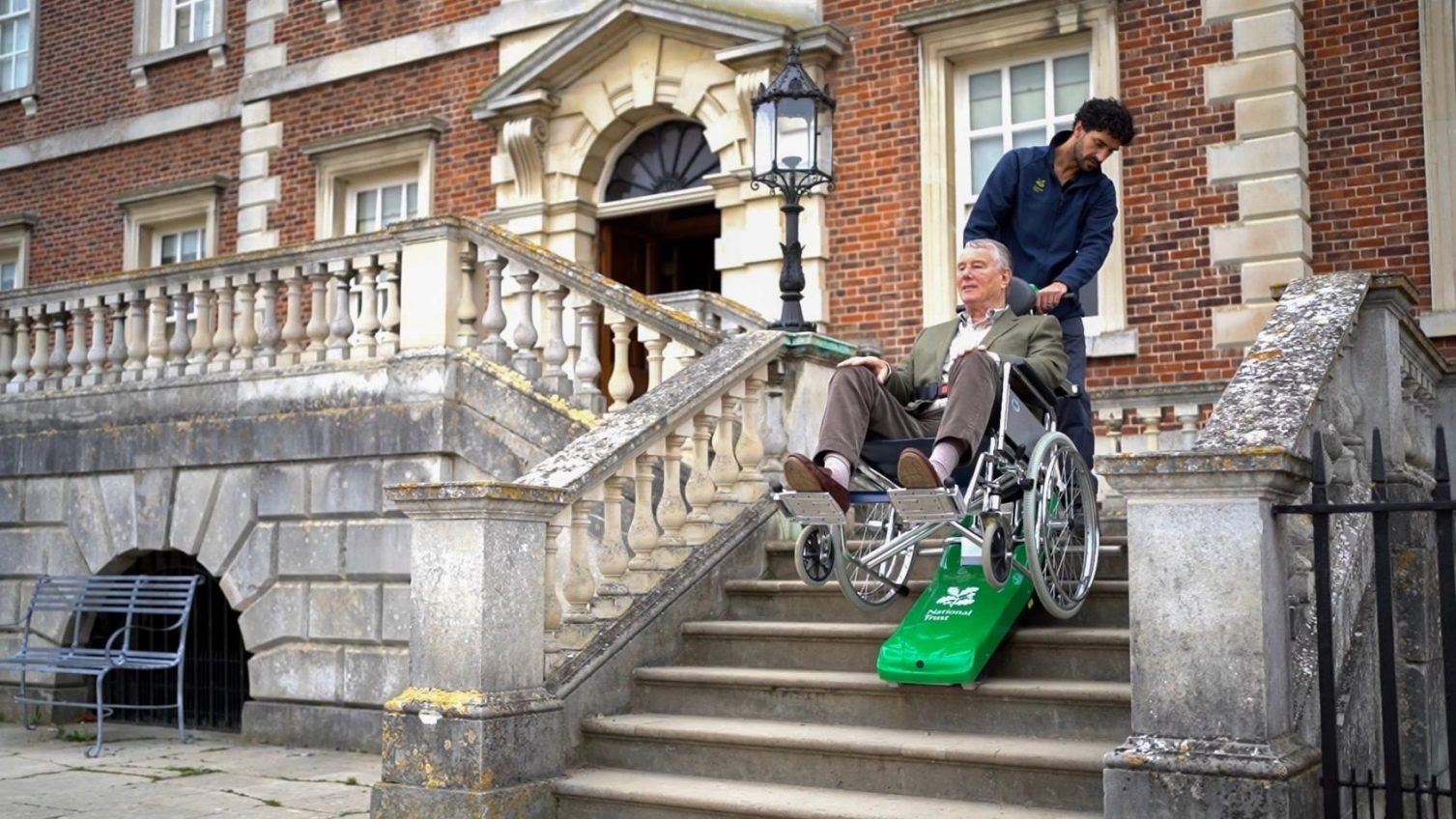
A Complete Guide to Powered Stairclimbers Creating accessible places is not always as simple as installing a ramp, passenger lift …

Alternatives to Stairlifts and Platform Lifts for London Universities An accessible university campus is more than an accessible main entrance. …
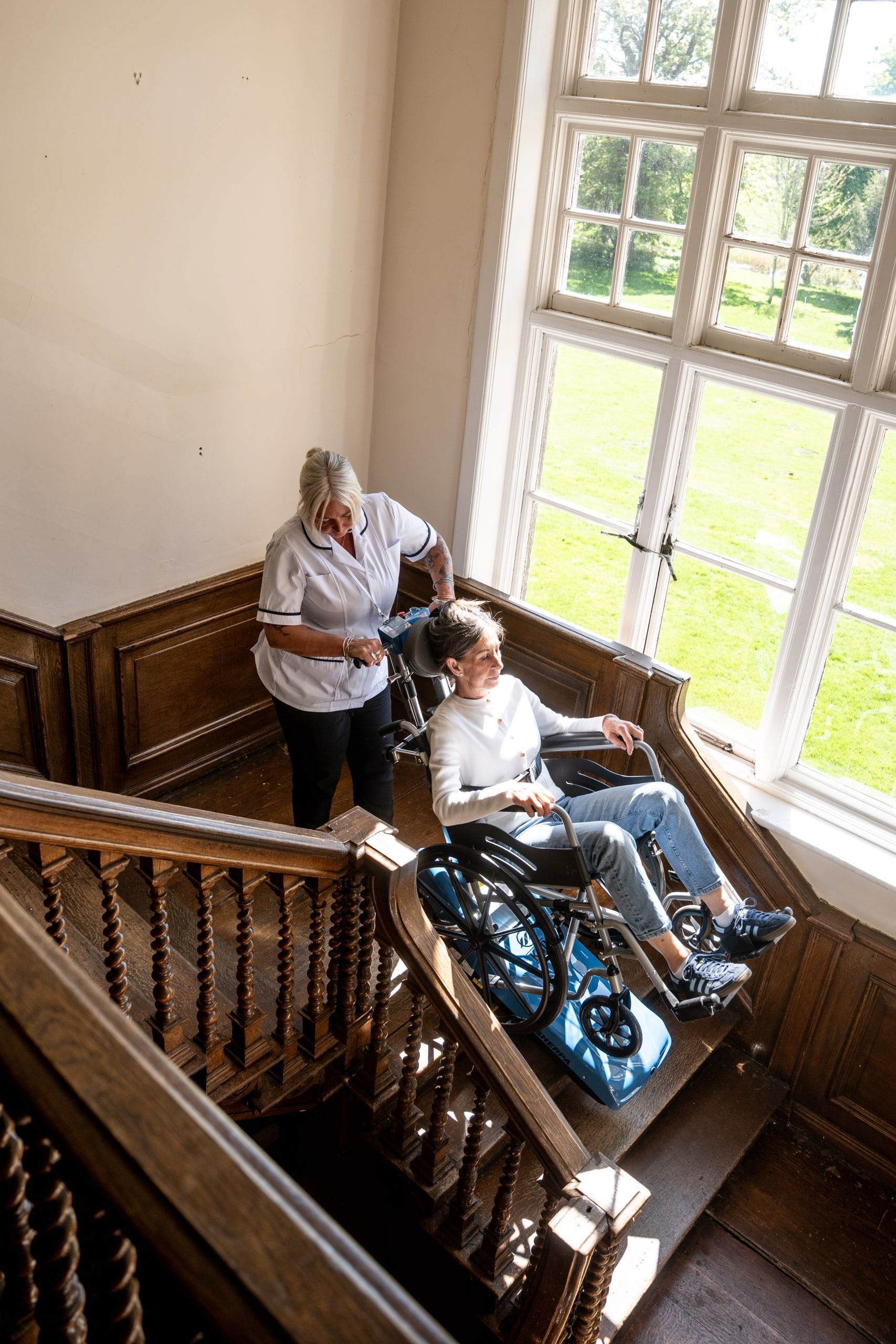
Alternatives to Stairlifts and Platform Lifts in London Buildings London buildings rarely present a simple access problem. A Georgian townhouse …
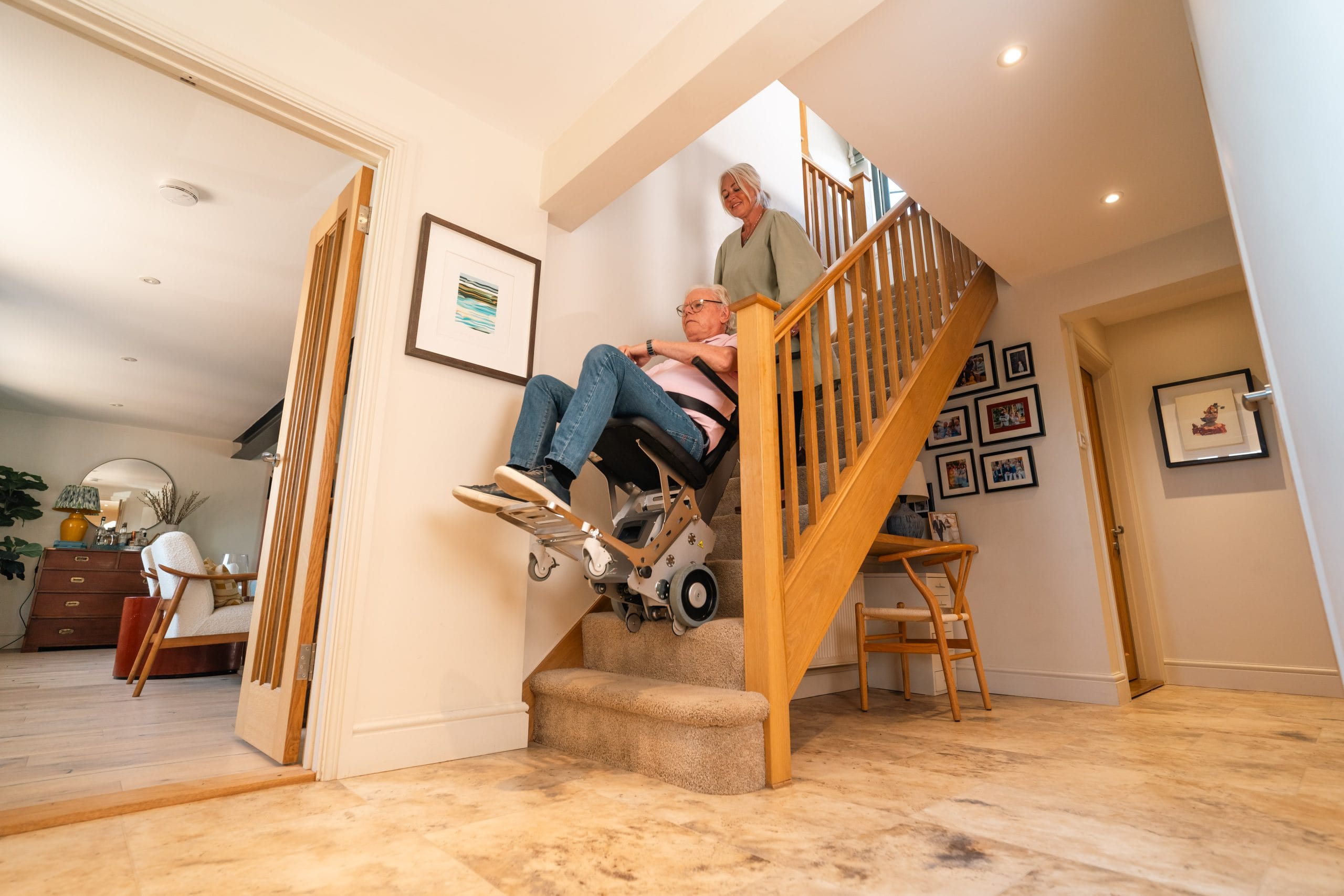
Alternatives to Stairlifts and Platform Lifts at Home: A Practical Guide for Community OTs When a person can no longer …
Estimated reading time: 10 minutes