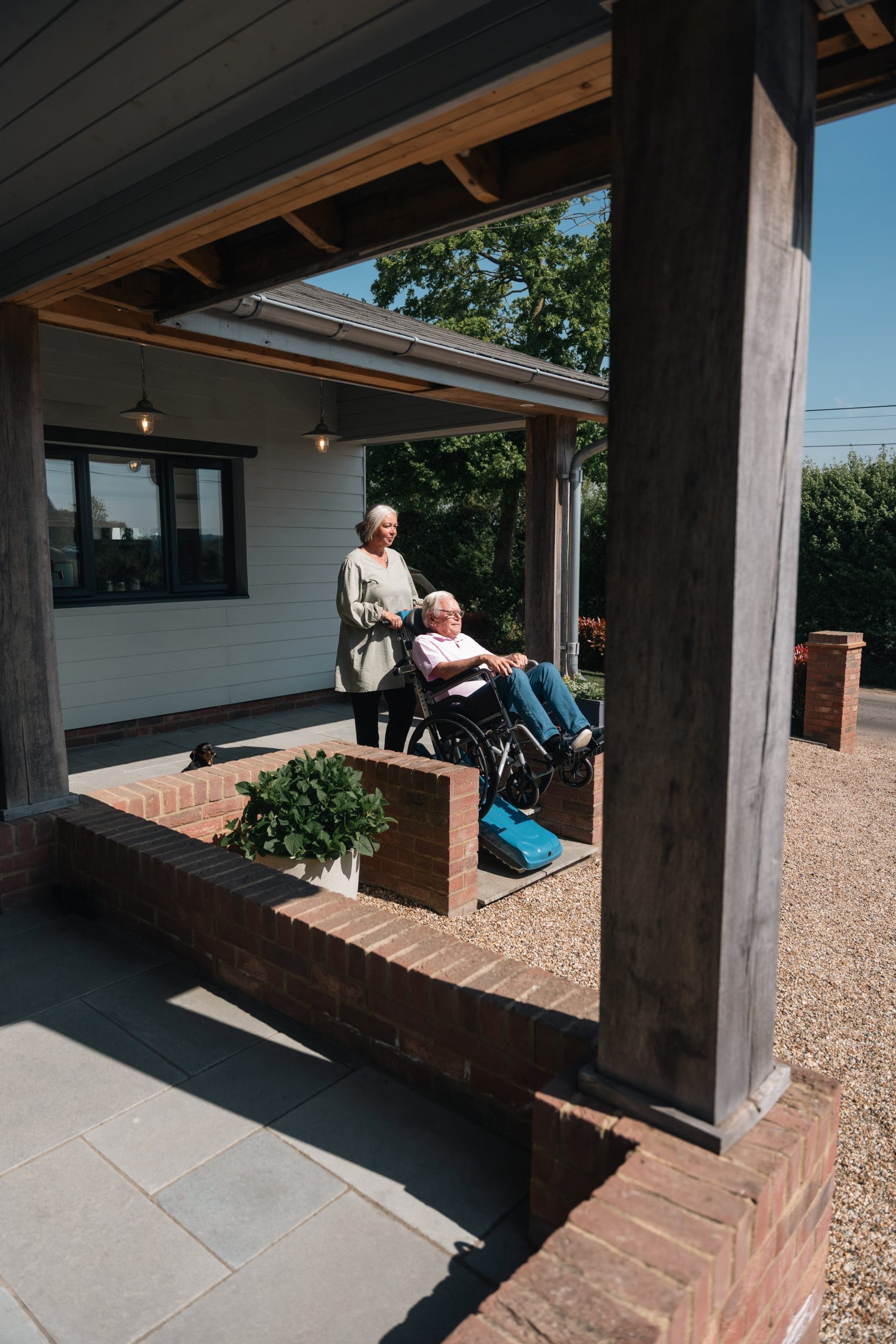
Powered Stairclimbers in UK Universities: Creating More Accessible Campuses
University should be a place where students can learn, participate and build their future. Yet for wheelchair users and people …

Powered Evacuation Chairs are transforming the way organisations approach emergency evacuation. Across modern buildings, the need to safely evacuate mobility impaired occupants has never been more important. Traditional evacuation chairs remain an essential part of many emergency plans and continue to provide a reliable evacuation solution when used correctly. However, Powered Evacuation Chairs and Powered Stairclimbers introduce a new level of safety, control, operator confidence and inclusivity.
In major cities such as London, building owners, facilities managers, healthcare providers, education establishments and commercial organisations are reviewing how they support evacuation strategies. A growing number are recognising that Powered Evac Chairs can significantly reduce operator strain while improving the experience of the person being evacuated.
The discussion around evacuation is closely linked to PEEPs, RPEEPs, GEEPs and BEEPs. Personal Emergency Evacuation Plans, Residential Personal Emergency Evacuation Plans, Generic Emergency Evacuation Plans and Building Emergency Evacuation Plans each play a vital role in ensuring individuals can leave a building safely during an emergency. The equipment selected must support those plans and provide a practical route to safety.
Traditional evacuation chairs have several strengths. They are lightweight, widely recognised, cost effective and suitable for many environments. They have helped protect thousands of people over many years and remain a valuable part of emergency preparedness. Well maintained evacuation chairs continue to offer a dependable solution when supported by training and regular drills.
Powered Evacuation Chairs build on those strengths. Motorised assistance allows controlled movement on stairs while reducing the physical demands placed upon operators. This can be particularly important in tall buildings, healthcare facilities and locations with complex evacuation routes. Powered Stairclimbers help organisations improve accessibility while reducing manual handling risks.
The Stair Climbing Company and The Evacuation Company are recognised throughout the sector for their commitment to evacuation excellence. Through specialist equipment, consultancy, training and support, both organisations help clients create robust evacuation strategies that align with legislation, best practice and operational requirements. Their expertise extends beyond supplying equipment. They support organisations in understanding how evacuation planning, risk assessments and emergency procedures connect with real-world building operations.
When organisations develop PEEPs, the choice of evacuation equipment becomes a critical consideration. A Personal Emergency Evacuation Plan must be realistic, repeatable and capable of being implemented under pressure. Powered Evac Chairs can help increase confidence among both operators and building occupants because they provide a more controlled evacuation process.
The introduction of RPEEPs has created additional discussion around residential evacuation. Housing providers and local authorities are increasingly examining how residents with mobility impairments can be supported during emergencies. Powered Evacuation Chairs offer an important option within broader evacuation planning frameworks and demonstrate a commitment to inclusive safety.
GEEPs provide a structured approach where individual plans are not always practical. Meanwhile, BEEPs focus on wider building strategies and the interaction between occupants, equipment and emergency procedures. In every case, the effectiveness of the evacuation solution depends on training, planning and equipment selection.
Search interest in Powered Evacuation Chairs, Powered Evac Chairs and Powered Stairclimbers continues to grow because organisations are looking for solutions that support modern accessibility expectations. Decision makers want equipment that protects users while also protecting staff responsible for evacuation. Powered systems answer many of these concerns.
The future of evacuation is not about replacing every traditional evacuation chair. Instead, it is about selecting the most appropriate solution for the building, the occupants and the emergency plan. Many organisations operate a combination of traditional and powered systems. This balanced approach ensures flexibility while maximising safety.
For organisations across London, investing in Powered Evacuation Chairs is increasingly viewed as a strategic decision rather than simply a compliance exercise. It demonstrates a commitment to inclusive design, responsible risk management and high standards of occupant safety. As legislation, expectations and best practice continue to evolve, Powered Stairclimbers are likely to play an increasingly important role in emergency evacuation planning.
For further industry reference, readers may also review information from recognised evacuation chair manufacturers and specialists including Evac+Chair, AAT GB and other established evacuation solution providers. These external resources complement the specialist expertise provided by The Stair Climbing Company and The Evacuation Company.
Powered Evacuation Chairs are transforming the way organisations approach emergency evacuation. Across modern buildings, the need to safely evacuate mobility impaired occupants has never been more important. Traditional evacuation chairs remain an essential part of many emergency plans and continue to provide a reliable evacuation solution when used correctly. However, Powered Evacuation Chairs and Powered Stairclimbers introduce a new level of safety, control, operator confidence and inclusivity.
In major cities such as London, building owners, facilities managers, healthcare providers, education establishments and commercial organisations are reviewing how they support evacuation strategies. A growing number are recognising that Powered Evac Chairs can significantly reduce operator strain while improving the experience of the person being evacuated.
The discussion around evacuation is closely linked to PEEPs, RPEEPs, GEEPs and BEEPs. Personal Emergency Evacuation Plans, Residential Personal Emergency Evacuation Plans, Generic Emergency Evacuation Plans and Building Emergency Evacuation Plans each play a vital role in ensuring individuals can leave a building safely during an emergency. The equipment selected must support those plans and provide a practical route to safety.
Traditional evacuation chairs have several strengths. They are lightweight, widely recognised, cost effective and suitable for many environments. They have helped protect thousands of people over many years and remain a valuable part of emergency preparedness. Well maintained evacuation chairs continue to offer a dependable solution when supported by training and regular drills.
Powered Evacuation Chairs build on those strengths. Motorised assistance allows controlled movement on stairs while reducing the physical demands placed upon operators. This can be particularly important in tall buildings, healthcare facilities and locations with complex evacuation routes. Powered Stairclimbers help organisations improve accessibility while reducing manual handling risks.
The Stair Climbing Company and The Evacuation Company are recognised throughout the sector for their commitment to evacuation excellence. Through specialist equipment, consultancy, training and support, both organisations help clients create robust evacuation strategies that align with legislation, best practice and operational requirements. Their expertise extends beyond supplying equipment. They support organisations in understanding how evacuation planning, risk assessments and emergency procedures connect with real-world building operations.
When organisations develop PEEPs, the choice of evacuation equipment becomes a critical consideration. A Personal Emergency Evacuation Plan must be realistic, repeatable and capable of being implemented under pressure. Powered Evac Chairs can help increase confidence among both operators and building occupants because they provide a more controlled evacuation process.
The introduction of RPEEPs has created additional discussion around residential evacuation. Housing providers and local authorities are increasingly examining how residents with mobility impairments can be supported during emergencies. Powered Evacuation Chairs offer an important option within broader evacuation planning frameworks and demonstrate a commitment to inclusive safety.
GEEPs provide a structured approach where individual plans are not always practical. Meanwhile, BEEPs focus on wider building strategies and the interaction between occupants, equipment and emergency procedures. In every case, the effectiveness of the evacuation solution depends on training, planning and equipment selection.
Search interest in Powered Evacuation Chairs, Powered Evac Chairs and Powered Stairclimbers continues to grow because organisations are looking for solutions that support modern accessibility expectations. Decision makers want equipment that protects users while also protecting staff responsible for evacuation. Powered systems answer many of these concerns.
The future of evacuation is not about replacing every traditional evacuation chair. Instead, it is about selecting the most appropriate solution for the building, the occupants and the emergency plan. Many organisations operate a combination of traditional and powered systems. This balanced approach ensures flexibility while maximising safety.
For organisations across London, investing in Powered Evacuation Chairs is increasingly viewed as a strategic decision rather than simply a compliance exercise. It demonstrates a commitment to inclusive design, responsible risk management and high standards of occupant safety. As legislation, expectations and best practice continue to evolve, Powered Stairclimbers are likely to play an increasingly important role in emergency evacuation planning.
For further industry reference, readers may also review information from recognised evacuation chair manufacturers and specialists including Evac+Chair, AAT GB and other established evacuation solution providers. These external resources complement the specialist expertise provided by The Stair Climbing Company and The Evacuation Company.
Powered Evacuation Chairs are transforming the way organisations approach emergency evacuation. Across modern buildings, the need to safely evacuate mobility impaired occupants has never been more important. Traditional evacuation chairs remain an essential part of many emergency plans and continue to provide a reliable evacuation solution when used correctly. However, Powered Evacuation Chairs and Powered Stairclimbers introduce a new level of safety, control, operator confidence and inclusivity.
In major cities such as London, building owners, facilities managers, healthcare providers, education establishments and commercial organisations are reviewing how they support evacuation strategies. A growing number are recognising that Powered Evac Chairs can significantly reduce operator strain while improving the experience of the person being evacuated.
The discussion around evacuation is closely linked to PEEPs, RPEEPs, GEEPs and BEEPs. Personal Emergency Evacuation Plans, Residential Personal Emergency Evacuation Plans, Generic Emergency Evacuation Plans and Building Emergency Evacuation Plans each play a vital role in ensuring individuals can leave a building safely during an emergency. The equipment selected must support those plans and provide a practical route to safety.
Traditional evacuation chairs have several strengths. They are lightweight, widely recognised, cost effective and suitable for many environments. They have helped protect thousands of people over many years and remain a valuable part of emergency preparedness. Well maintained evacuation chairs continue to offer a dependable solution when supported by training and regular drills.
Powered Evacuation Chairs build on those strengths. Motorised assistance allows controlled movement on stairs while reducing the physical demands placed upon operators. This can be particularly important in tall buildings, healthcare facilities and locations with complex evacuation routes. Powered Stairclimbers help organisations improve accessibility while reducing manual handling risks.
The Stair Climbing Company and The Evacuation Company are recognised throughout the sector for their commitment to evacuation excellence. Through specialist equipment, consultancy, training and support, both organisations help clients create robust evacuation strategies that align with legislation, best practice and operational requirements. Their expertise extends beyond supplying equipment. They support organisations in understanding how evacuation planning, risk assessments and emergency procedures connect with real-world building operations.
When organisations develop PEEPs, the choice of evacuation equipment becomes a critical consideration. A Personal Emergency Evacuation Plan must be realistic, repeatable and capable of being implemented under pressure. Powered Evac Chairs can help increase confidence among both operators and building occupants because they provide a more controlled evacuation process.
The introduction of RPEEPs has created additional discussion around residential evacuation. Housing providers and local authorities are increasingly examining how residents with mobility impairments can be supported during emergencies. Powered Evacuation Chairs offer an important option within broader evacuation planning frameworks and demonstrate a commitment to inclusive safety.
GEEPs provide a structured approach where individual plans are not always practical. Meanwhile, BEEPs focus on wider building strategies and the interaction between occupants, equipment and emergency procedures. In every case, the effectiveness of the evacuation solution depends on training, planning and equipment selection.
Search interest in Powered Evacuation Chairs, Powered Evac Chairs and Powered Stairclimbers continues to grow because organisations are looking for solutions that support modern accessibility expectations. Decision makers want equipment that protects users while also protecting staff responsible for evacuation. Powered systems answer many of these concerns.
The future of evacuation is not about replacing every traditional evacuation chair. Instead, it is about selecting the most appropriate solution for the building, the occupants and the emergency plan. Many organisations operate a combination of traditional and powered systems. This balanced approach ensures flexibility while maximising safety.
For organisations across London, investing in Powered Evacuation Chairs is increasingly viewed as a strategic decision rather than simply a compliance exercise. It demonstrates a commitment to inclusive design, responsible risk management and high standards of occupant safety. As legislation, expectations and best practice continue to evolve, Powered Stairclimbers are likely to play an increasingly important role in emergency evacuation planning.
For further industry reference, readers may also review information from recognised evacuation chair manufacturers and specialists including Evac+Chair, AAT GB and other established evacuation solution providers. These external resources complement the specialist expertise provided by The Stair Climbing Company and The Evacuation Company.
Powered Evacuation Chairs are transforming the way organisations approach emergency evacuation. Across modern buildings, the need to safely evacuate mobility impaired occupants has never been more important. Traditional evacuation chairs remain an essential part of many emergency plans and continue to provide a reliable evacuation solution when used correctly. However, Powered Evacuation Chairs and Powered Stairclimbers introduce a new level of safety, control, operator confidence and inclusivity.
In major cities such as London, building owners, facilities managers, healthcare providers, education establishments and commercial organisations are reviewing how they support evacuation strategies. A growing number are recognising that Powered Evac Chairs can significantly reduce operator strain while improving the experience of the person being evacuated.
The discussion around evacuation is closely linked to PEEPs, RPEEPs, GEEPs and BEEPs. Personal Emergency Evacuation Plans, Residential Personal Emergency Evacuation Plans, Generic Emergency Evacuation Plans and Building Emergency Evacuation Plans each play a vital role in ensuring individuals can leave a building safely during an emergency. The equipment selected must support those plans and provide a practical route to safety.
Traditional evacuation chairs have several strengths. They are lightweight, widely recognised, cost effective and suitable for many environments. They have helped protect thousands of people over many years and remain a valuable part of emergency preparedness. Well maintained evacuation chairs continue to offer a dependable solution when supported by training and regular drills.
Powered Evacuation Chairs build on those strengths. Motorised assistance allows controlled movement on stairs while reducing the physical demands placed upon operators. This can be particularly important in tall buildings, healthcare facilities and locations with complex evacuation routes. Powered Stairclimbers help organisations improve accessibility while reducing manual handling risks.
The Stair Climbing Company and The Evacuation Company are recognised throughout the sector for their commitment to evacuation excellence. Through specialist equipment, consultancy, training and support, both organisations help clients create robust evacuation strategies that align with legislation, best practice and operational requirements. Their expertise extends beyond supplying equipment. They support organisations in understanding how evacuation planning, risk assessments and emergency procedures connect with real-world building operations.
When organisations develop PEEPs, the choice of evacuation equipment becomes a critical consideration. A Personal Emergency Evacuation Plan must be realistic, repeatable and capable of being implemented under pressure. Powered Evac Chairs can help increase confidence among both operators and building occupants because they provide a more controlled evacuation process.
The introduction of RPEEPs has created additional discussion around residential evacuation. Housing providers and local authorities are increasingly examining how residents with mobility impairments can be supported during emergencies. Powered Evacuation Chairs offer an important option within broader evacuation planning frameworks and demonstrate a commitment to inclusive safety.
GEEPs provide a structured approach where individual plans are not always practical. Meanwhile, BEEPs focus on wider building strategies and the interaction between occupants, equipment and emergency procedures. In every case, the effectiveness of the evacuation solution depends on training, planning and equipment selection.
Search interest in Powered Evacuation Chairs, Powered Evac Chairs and Powered Stairclimbers continues to grow because organisations are looking for solutions that support modern accessibility expectations. Decision makers want equipment that protects users while also protecting staff responsible for evacuation. Powered systems answer many of these concerns.
The future of evacuation is not about replacing every traditional evacuation chair. Instead, it is about selecting the most appropriate solution for the building, the occupants and the emergency plan. Many organisations operate a combination of traditional and powered systems. This balanced approach ensures flexibility while maximising safety.
For organisations across London, investing in Powered Evacuation Chairs is increasingly viewed as a strategic decision rather than simply a compliance exercise. It demonstrates a commitment to inclusive design, responsible risk management and high standards of occupant safety. As legislation, expectations and best practice continue to evolve, Powered Stairclimbers are likely to play an increasingly important role in emergency evacuation planning.
For further industry reference, readers may also review information from recognised evacuation chair manufacturers and specialists including Evac+Chair, AAT GB and other established evacuation solution providers. These external resources complement the specialist expertise provided by The Stair Climbing Company and The Evacuation Company.
Powered Evacuation Chairs are transforming the way organisations approach emergency evacuation. Across modern buildings, the need to safely evacuate mobility impaired occupants has never been more important. Traditional evacuation chairs remain an essential part of many emergency plans and continue to provide a reliable evacuation solution when used correctly. However, Powered Evacuation Chairs and Powered Stairclimbers introduce a new level of safety, control, operator confidence and inclusivity.
In major cities such as London, building owners, facilities managers, healthcare providers, education establishments and commercial organisations are reviewing how they support evacuation strategies. A growing number are recognising that Powered Evac Chairs can significantly reduce operator strain while improving the experience of the person being evacuated.
The discussion around evacuation is closely linked to PEEPs, RPEEPs, GEEPs and BEEPs. Personal Emergency Evacuation Plans, Residential Personal Emergency Evacuation Plans, Generic Emergency Evacuation Plans and Building Emergency Evacuation Plans each play a vital role in ensuring individuals can leave a building safely during an emergency. The equipment selected must support those plans and provide a practical route to safety.
Traditional evacuation chairs have several strengths. They are lightweight, widely recognised, cost effective and suitable for many environments. They have helped protect thousands of people over many years and remain a valuable part of emergency preparedness. Well maintained evacuation chairs continue to offer a dependable solution when supported by training and regular drills.
Powered Evacuation Chairs build on those strengths. Motorised assistance allows controlled movement on stairs while reducing the physical demands placed upon operators. This can be particularly important in tall buildings, healthcare facilities and locations with complex evacuation routes. Powered Stairclimbers help organisations improve accessibility while reducing manual handling risks.
The Stair Climbing Company and The Evacuation Company are recognised throughout the sector for their commitment to evacuation excellence. Through specialist equipment, consultancy, training and support, both organisations help clients create robust evacuation strategies that align with legislation, best practice and operational requirements. Their expertise extends beyond supplying equipment. They support organisations in understanding how evacuation planning, risk assessments and emergency procedures connect with real-world building operations.
When organisations develop PEEPs, the choice of evacuation equipment becomes a critical consideration. A Personal Emergency Evacuation Plan must be realistic, repeatable and capable of being implemented under pressure. Powered Evac Chairs can help increase confidence among both operators and building occupants because they provide a more controlled evacuation process.
The introduction of RPEEPs has created additional discussion around residential evacuation. Housing providers and local authorities are increasingly examining how residents with mobility impairments can be supported during emergencies. Powered Evacuation Chairs offer an important option within broader evacuation planning frameworks and demonstrate a commitment to inclusive safety.
GEEPs provide a structured approach where individual plans are not always practical. Meanwhile, BEEPs focus on wider building strategies and the interaction between occupants, equipment and emergency procedures. In every case, the effectiveness of the evacuation solution depends on training, planning and equipment selection.
Search interest in Powered Evacuation Chairs, Powered Evac Chairs and Powered Stairclimbers continues to grow because organisations are looking for solutions that support modern accessibility expectations. Decision makers want equipment that protects users while also protecting staff responsible for evacuation. Powered systems answer many of these concerns.
The future of evacuation is not about replacing every traditional evacuation chair. Instead, it is about selecting the most appropriate solution for the building, the occupants and the emergency plan. Many organisations operate a combination of traditional and powered systems. This balanced approach ensures flexibility while maximising safety.
For organisations across London, investing in Powered Evacuation Chairs is increasingly viewed as a strategic decision rather than simply a compliance exercise. It demonstrates a commitment to inclusive design, responsible risk management and high standards of occupant safety. As legislation, expectations and best practice continue to evolve, Powered Stairclimbers are likely to play an increasingly important role in emergency evacuation planning.
For further industry reference, readers may also review information from recognised evacuation chair manufacturers and specialists including Evac+Chair, AAT GB and other established evacuation solution providers. These external resources complement the specialist expertise provided by The Stair Climbing Company and The Evacuation Company.
Powered Evacuation Chairs are transforming the way organisations approach emergency evacuation. Across modern buildings, the need to safely evacuate mobility impaired occupants has never been more important. Traditional evacuation chairs remain an essential part of many emergency plans and continue to provide a reliable evacuation solution when used correctly. However, Powered Evacuation Chairs and Powered Stairclimbers introduce a new level of safety, control, operator confidence and inclusivity.
In major cities such as London, building owners, facilities managers, healthcare providers, education establishments and commercial organisations are reviewing how they support evacuation strategies. A growing number are recognising that Powered Evac Chairs can significantly reduce operator strain while improving the experience of the person being evacuated.
The discussion around evacuation is closely linked to PEEPs, RPEEPs, GEEPs and BEEPs. Personal Emergency Evacuation Plans, Residential Personal Emergency Evacuation Plans, Generic Emergency Evacuation Plans and Building Emergency Evacuation Plans each play a vital role in ensuring individuals can leave a building safely during an emergency. The equipment selected must support those plans and provide a practical route to safety.
Traditional evacuation chairs have several strengths. They are lightweight, widely recognised, cost effective and suitable for many environments. They have helped protect thousands of people over many years and remain a valuable part of emergency preparedness. Well maintained evacuation chairs continue to offer a dependable solution when supported by training and regular drills.
Powered Evacuation Chairs build on those strengths. Motorised assistance allows controlled movement on stairs while reducing the physical demands placed upon operators. This can be particularly important in tall buildings, healthcare facilities and locations with complex evacuation routes. Powered Stairclimbers help organisations improve accessibility while reducing manual handling risks.
The Stair Climbing Company and The Evacuation Company are recognised throughout the sector for their commitment to evacuation excellence. Through specialist equipment, consultancy, training and support, both organisations help clients create robust evacuation strategies that align with legislation, best practice and operational requirements. Their expertise extends beyond supplying equipment. They support organisations in understanding how evacuation planning, risk assessments and emergency procedures connect with real-world building operations.
When organisations develop PEEPs, the choice of evacuation equipment becomes a critical consideration. A Personal Emergency Evacuation Plan must be realistic, repeatable and capable of being implemented under pressure. Powered Evac Chairs can help increase confidence among both operators and building occupants because they provide a more controlled evacuation process.
The introduction of RPEEPs has created additional discussion around residential evacuation. Housing providers and local authorities are increasingly examining how residents with mobility impairments can be supported during emergencies. Powered Evacuation Chairs offer an important option within broader evacuation planning frameworks and demonstrate a commitment to inclusive safety.
GEEPs provide a structured approach where individual plans are not always practical. Meanwhile, BEEPs focus on wider building strategies and the interaction between occupants, equipment and emergency procedures. In every case, the effectiveness of the evacuation solution depends on training, planning and equipment selection.
Search interest in Powered Evacuation Chairs, Powered Evac Chairs and Powered Stairclimbers continues to grow because organisations are looking for solutions that support modern accessibility expectations. Decision makers want equipment that protects users while also protecting staff responsible for evacuation. Powered systems answer many of these concerns.
The future of evacuation is not about replacing every traditional evacuation chair. Instead, it is about selecting the most appropriate solution for the building, the occupants and the emergency plan. Many organisations operate a combination of traditional and powered systems. This balanced approach ensures flexibility while maximising safety.
For organisations across London, investing in Powered Evacuation Chairs is increasingly viewed as a strategic decision rather than simply a compliance exercise. It demonstrates a commitment to inclusive design, responsible risk management and high standards of occupant safety. As legislation, expectations and best practice continue to evolve, Powered Stairclimbers are likely to play an increasingly important role in emergency evacuation planning.
For further industry reference, readers may also review information from recognised evacuation chair manufacturers and specialists including Evac+Chair, AAT GB and other established evacuation solution providers. These external resources complement the specialist expertise provided by The Stair Climbing Company and The Evacuation Company.
Powered Evacuation Chairs are transforming the way organisations approach emergency evacuation. Across modern buildings, the need to safely evacuate mobility impaired occupants has never been more important. Traditional evacuation chairs remain an essential part of many emergency plans and continue to provide a reliable evacuation solution when used correctly. However, Powered Evacuation Chairs and Powered Stairclimbers introduce a new level of safety, control, operator confidence and inclusivity.
In major cities such as London, building owners, facilities managers, healthcare providers, education establishments and commercial organisations are reviewing how they support evacuation strategies. A growing number are recognising that Powered Evac Chairs can significantly reduce operator strain while improving the experience of the person being evacuated.
The discussion around evacuation is closely linked to PEEPs, RPEEPs, GEEPs and BEEPs. Personal Emergency Evacuation Plans, Residential Personal Emergency Evacuation Plans, Generic Emergency Evacuation Plans and Building Emergency Evacuation Plans each play a vital role in ensuring individuals can leave a building safely during an emergency. The equipment selected must support those plans and provide a practical route to safety.
Traditional evacuation chairs have several strengths. They are lightweight, widely recognised, cost effective and suitable for many environments. They have helped protect thousands of people over many years and remain a valuable part of emergency preparedness. Well maintained evacuation chairs continue to offer a dependable solution when supported by training and regular drills.
Powered Evacuation Chairs build on those strengths. Motorised assistance allows controlled movement on stairs while reducing the physical demands placed upon operators. This can be particularly important in tall buildings, healthcare facilities and locations with complex evacuation routes. Powered Stairclimbers help organisations improve accessibility while reducing manual handling risks.
The Stair Climbing Company and The Evacuation Company are recognised throughout the sector for their commitment to evacuation excellence. Through specialist equipment, consultancy, training and support, both organisations help clients create robust evacuation strategies that align with legislation, best practice and operational requirements. Their expertise extends beyond supplying equipment. They support organisations in understanding how evacuation planning, risk assessments and emergency procedures connect with real-world building operations.
When organisations develop PEEPs, the choice of evacuation equipment becomes a critical consideration. A Personal Emergency Evacuation Plan must be realistic, repeatable and capable of being implemented under pressure. Powered Evac Chairs can help increase confidence among both operators and building occupants because they provide a more controlled evacuation process.
The introduction of RPEEPs has created additional discussion around residential evacuation. Housing providers and local authorities are increasingly examining how residents with mobility impairments can be supported during emergencies. Powered Evacuation Chairs offer an important option within broader evacuation planning frameworks and demonstrate a commitment to inclusive safety.
GEEPs provide a structured approach where individual plans are not always practical. Meanwhile, BEEPs focus on wider building strategies and the interaction between occupants, equipment and emergency procedures. In every case, the effectiveness of the evacuation solution depends on training, planning and equipment selection.
Search interest in Powered Evacuation Chairs, Powered Evac Chairs and Powered Stairclimbers continues to grow because organisations are looking for solutions that support modern accessibility expectations. Decision makers want equipment that protects users while also protecting staff responsible for evacuation. Powered systems answer many of these concerns.
The future of evacuation is not about replacing every traditional evacuation chair. Instead, it is about selecting the most appropriate solution for the building, the occupants and the emergency plan. Many organisations operate a combination of traditional and powered systems. This balanced approach ensures flexibility while maximising safety.
For organisations across London, investing in Powered Evacuation Chairs is increasingly viewed as a strategic decision rather than simply a compliance exercise. It demonstrates a commitment to inclusive design, responsible risk management and high standards of occupant safety. As legislation, expectations and best practice continue to evolve, Powered Stairclimbers are likely to play an increasingly important role in emergency evacuation planning.
For further industry reference, readers may also review information from recognised evacuation chair manufacturers and specialists including Evac+Chair, AAT GB and other established evacuation solution providers. These external resources complement the specialist expertise provided by The Stair Climbing Company and The Evacuation Company.
Powered Evacuation Chairs are transforming the way organisations approach emergency evacuation. Across modern buildings, the need to safely evacuate mobility impaired occupants has never been more important. Traditional evacuation chairs remain an essential part of many emergency plans and continue to provide a reliable evacuation solution when used correctly. However, Powered Evacuation Chairs and Powered Stairclimbers introduce a new level of safety, control, operator confidence and inclusivity.
In major cities such as London, building owners, facilities managers, healthcare providers, education establishments and commercial organisations are reviewing how they support evacuation strategies. A growing number are recognising that Powered Evac Chairs can significantly reduce operator strain while improving the experience of the person being evacuated.
The discussion around evacuation is closely linked to PEEPs, RPEEPs, GEEPs and BEEPs. Personal Emergency Evacuation Plans, Residential Personal Emergency Evacuation Plans, Generic Emergency Evacuation Plans and Building Emergency Evacuation Plans each play a vital role in ensuring individuals can leave a building safely during an emergency. The equipment selected must support those plans and provide a practical route to safety.
Traditional evacuation chairs have several strengths. They are lightweight, widely recognised, cost effective and suitable for many environments. They have helped protect thousands of people over many years and remain a valuable part of emergency preparedness. Well maintained evacuation chairs continue to offer a dependable solution when supported by training and regular drills.
Powered Evacuation Chairs build on those strengths. Motorised assistance allows controlled movement on stairs while reducing the physical demands placed upon operators. This can be particularly important in tall buildings, healthcare facilities and locations with complex evacuation routes. Powered Stairclimbers help organisations improve accessibility while reducing manual handling risks.
The Stair Climbing Company and The Evacuation Company are recognised throughout the sector for their commitment to evacuation excellence. Through specialist equipment, consultancy, training and support, both organisations help clients create robust evacuation strategies that align with legislation, best practice and operational requirements. Their expertise extends beyond supplying equipment. They support organisations in understanding how evacuation planning, risk assessments and emergency procedures connect with real-world building operations.
When organisations develop PEEPs, the choice of evacuation equipment becomes a critical consideration. A Personal Emergency Evacuation Plan must be realistic, repeatable and capable of being implemented under pressure. Powered Evac Chairs can help increase confidence among both operators and building occupants because they provide a more controlled evacuation process.
The introduction of RPEEPs has created additional discussion around residential evacuation. Housing providers and local authorities are increasingly examining how residents with mobility impairments can be supported during emergencies. Powered Evacuation Chairs offer an important option within broader evacuation planning frameworks and demonstrate a commitment to inclusive safety.
GEEPs provide a structured approach where individual plans are not always practical. Meanwhile, BEEPs focus on wider building strategies and the interaction between occupants, equipment and emergency procedures. In every case, the effectiveness of the evacuation solution depends on training, planning and equipment selection.
Search interest in Powered Evacuation Chairs, Powered Evac Chairs and Powered Stairclimbers continues to grow because organisations are looking for solutions that support modern accessibility expectations. Decision makers want equipment that protects users while also protecting staff responsible for evacuation. Powered systems answer many of these concerns.
The future of evacuation is not about replacing every traditional evacuation chair. Instead, it is about selecting the most appropriate solution for the building, the occupants and the emergency plan. Many organisations operate a combination of traditional and powered systems. This balanced approach ensures flexibility while maximising safety.
For organisations across London, investing in Powered Evacuation Chairs is increasingly viewed as a strategic decision rather than simply a compliance exercise. It demonstrates a commitment to inclusive design, responsible risk management and high standards of occupant safety. As legislation, expectations and best practice continue to evolve, Powered Stairclimbers are likely to play an increasingly important role in emergency evacuation planning.
For further industry reference, readers may also review information from recognised evacuation chair manufacturers and specialists including Evac+Chair, AAT GB and other established evacuation solution providers. These external resources complement the specialist expertise provided by The Stair Climbing Company and The Evacuation Company.
University should be a place where students can learn, participate and build their future. Yet for wheelchair users and people …
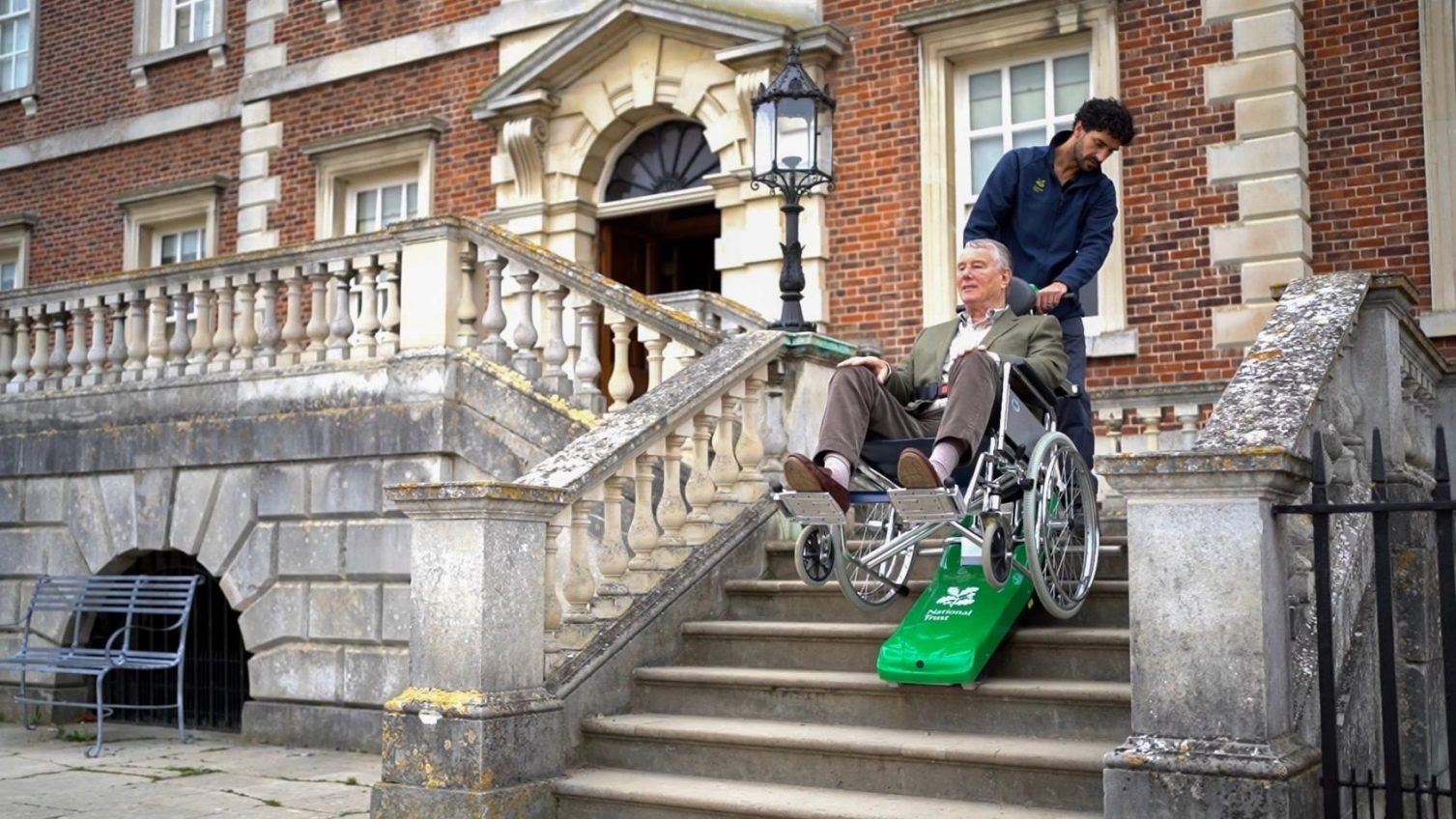
A Complete Guide to Powered Stairclimbers Creating accessible places is not always as simple as installing a ramp, passenger lift …

Alternatives to Stairlifts and Platform Lifts for London Universities An accessible university campus is more than an accessible main entrance. …
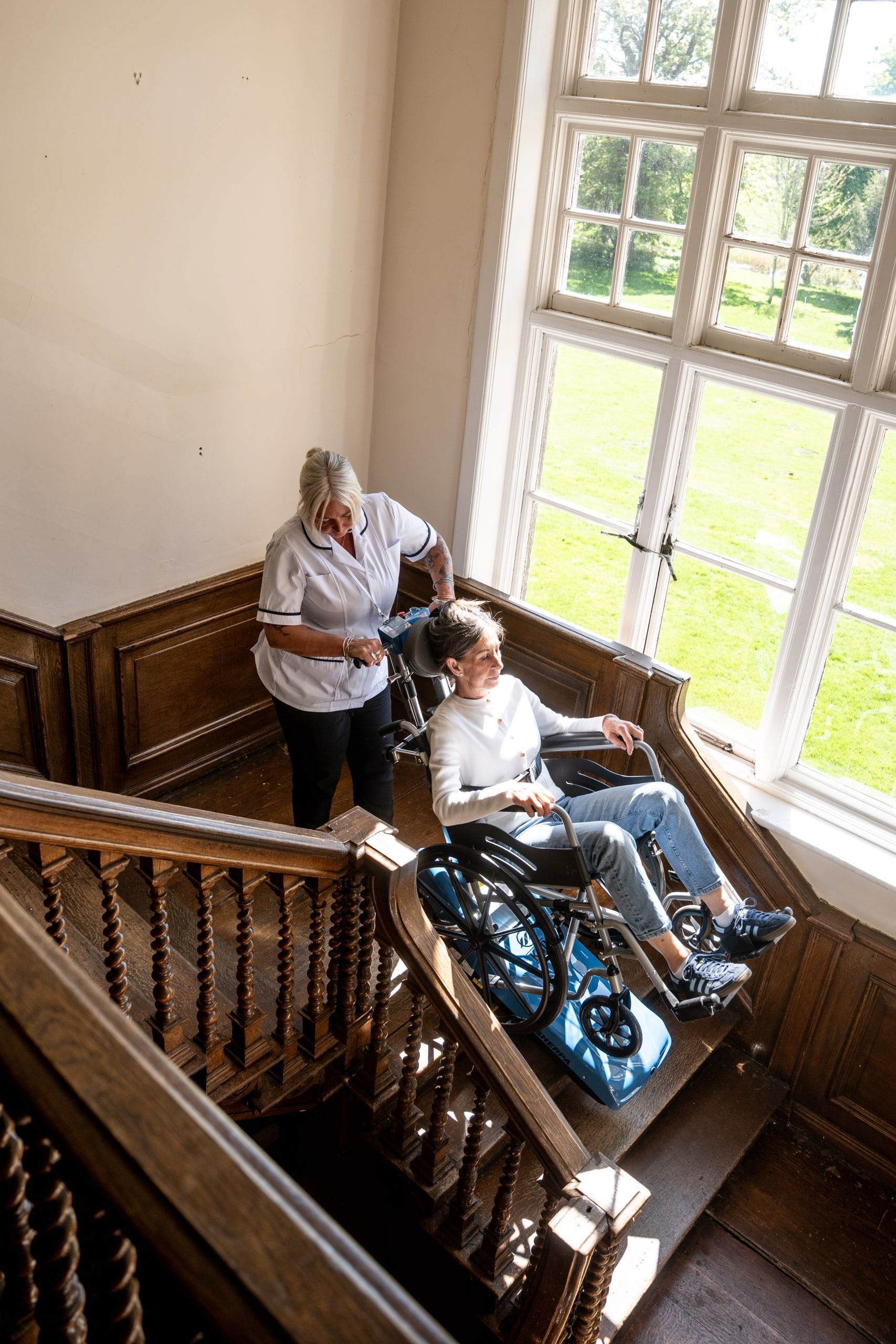
Alternatives to Stairlifts and Platform Lifts in London Buildings London buildings rarely present a simple access problem. A Georgian townhouse …
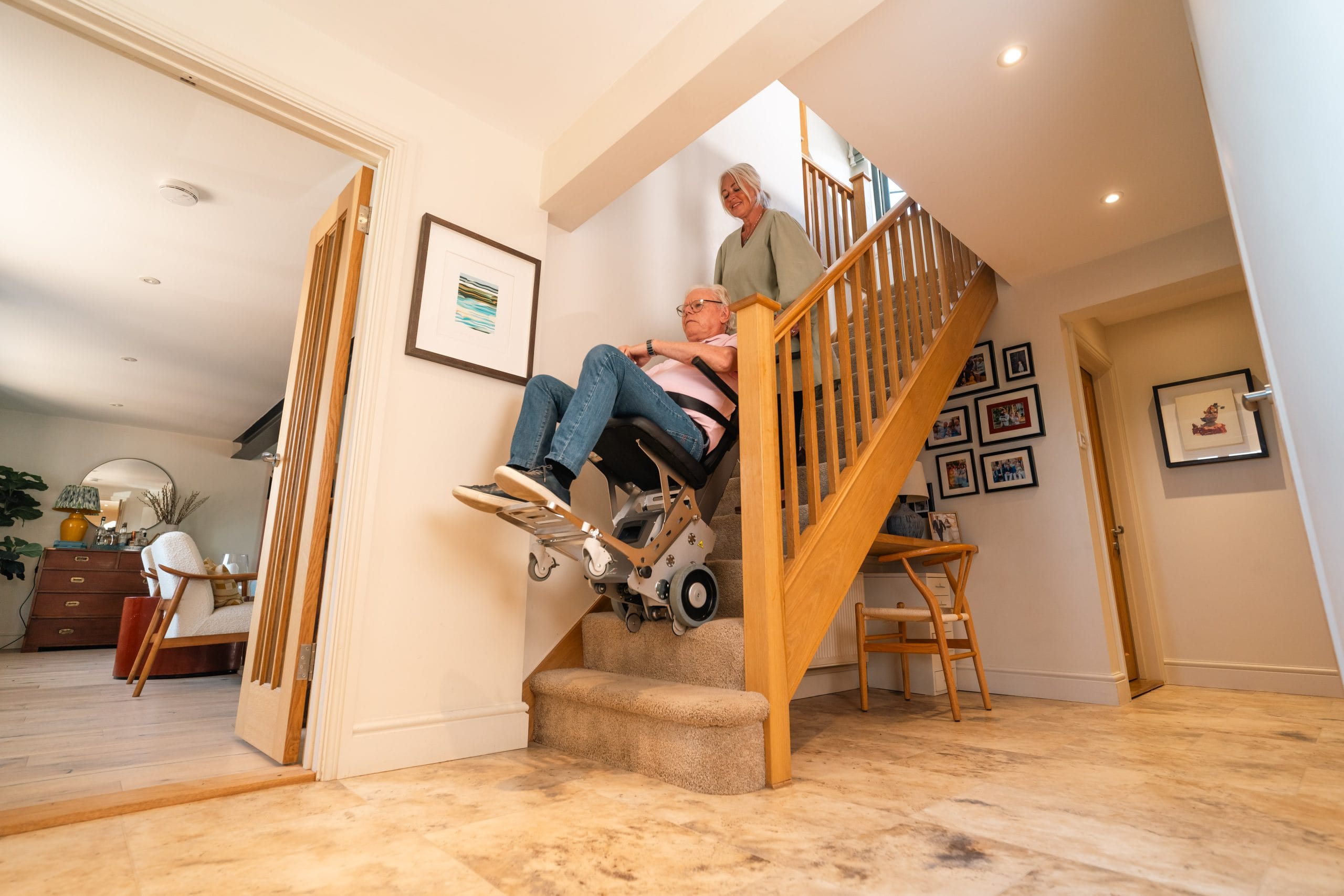
Alternatives to Stairlifts and Platform Lifts at Home: A Practical Guide for Community OTs When a person can no longer …
Estimated reading time: 25 minutes