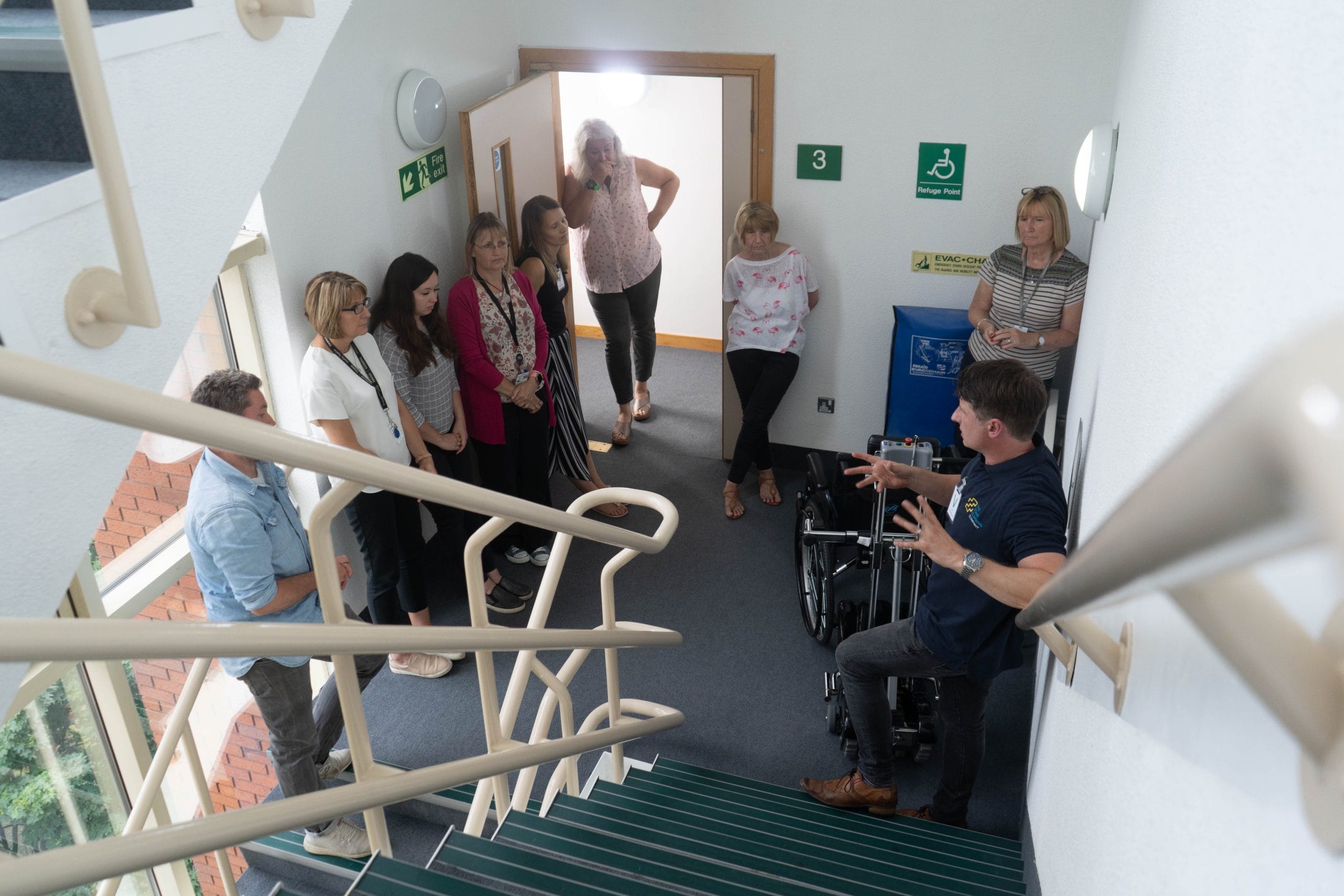
Powered Stair Climbers for Workplace Access: Removing Barriers Without Major Building Work
Powered Stair Climbers for Workplace Access: Removing Barriers Without Major Building Work Need to improve wheelchair access in your workplace? …

Occupational Therapists (OTs) play a pivotal role in helping individuals regain independence and mobility — and in recent years, stair-climbing devices have emerged as a game-changer in this field. In this post we’ll explore how stair-climbers and stairclimbers (two commonly used spellings) are becoming vital tools for OTs, and why hiring a stair climber (or stairclimber) might be an excellent strategy in your practice or client plan.
For many clients — whether ageing adults, post-surgical patients, or individuals with long-term mobility limitations — stairs represent a significant barrier to participation in daily life. The ability to safely navigate stairs can impact a person’s ability to remain in their home, to engage socially, or to maintain their roles. OTs are uniquely placed to assess the environment, identify stair-related risks, and recommend appropriate equipment or adaptations. For example, one equipment/telecare provider emphasises that: “Following an assessment with one of our highly qualified Occupational Therapists, we can offer guidance and impartial advice on choosing specialist equipment” including stair-lifts and specialist seating. (homeindependence.co.uk)
Yet fixed adaptations like railings or permanent stair-lifts may be costly, impractical in rented accommodation, or unsuitable for temporary or variable needs. This is where portable stair-climbing solutions come into play.
When we talk about a “stair-climber” or “stairclimber,” we mean a device designed to help a person – or the equipment they are using – navigate stairs safely. These devices are increasingly relevant in OT practice because they:
Here’s how OTs can integrate stair-climbers into their work:
One of the key phrases you’ll want to keep in mind — for client information or service-designation — is hiring a stair climber (or stairclimber). Here are the advantages:
As OTs seek ever-more flexible and client-centred solutions, stair-climbers and stairclimbers are becoming essential tools in the OT toolkit. They enable safe access to multi-level environments, promote independence, and relieve pressure on carers and families. Importantly, hiring a stair climber offers a pragmatic way to deliver access interventions without committing to permanent installations upfront. For any OT working with clients facing stair-related barriers, familiarising yourself with stair-climber equipment, hiring options and safe implementation protocols will enhance your practice and empower your clients.
By integrating stair-climbers into assessment, intervention and equipment strategy, OTs can continue their vital work of enabling independence, dignity and engagement in daily life.
Powered Stair Climbers for Workplace Access: Removing Barriers Without Major Building Work Need to improve wheelchair access in your workplace? …

Powered Stair Climbers for Wheelchair Access: A Flexible Way to Overcome Stairs Need to create wheelchair access where stairs are …

Part M Stair Climbers for London Buildings: Accessible Retrofit Without Major Structural Change Improving accessibility in an existing London building? …

Part M Stair Climbers for Retrofit Buildings: Creating Accessible Buildings Without Major Structural Change Retrofitting an existing building and struggling …
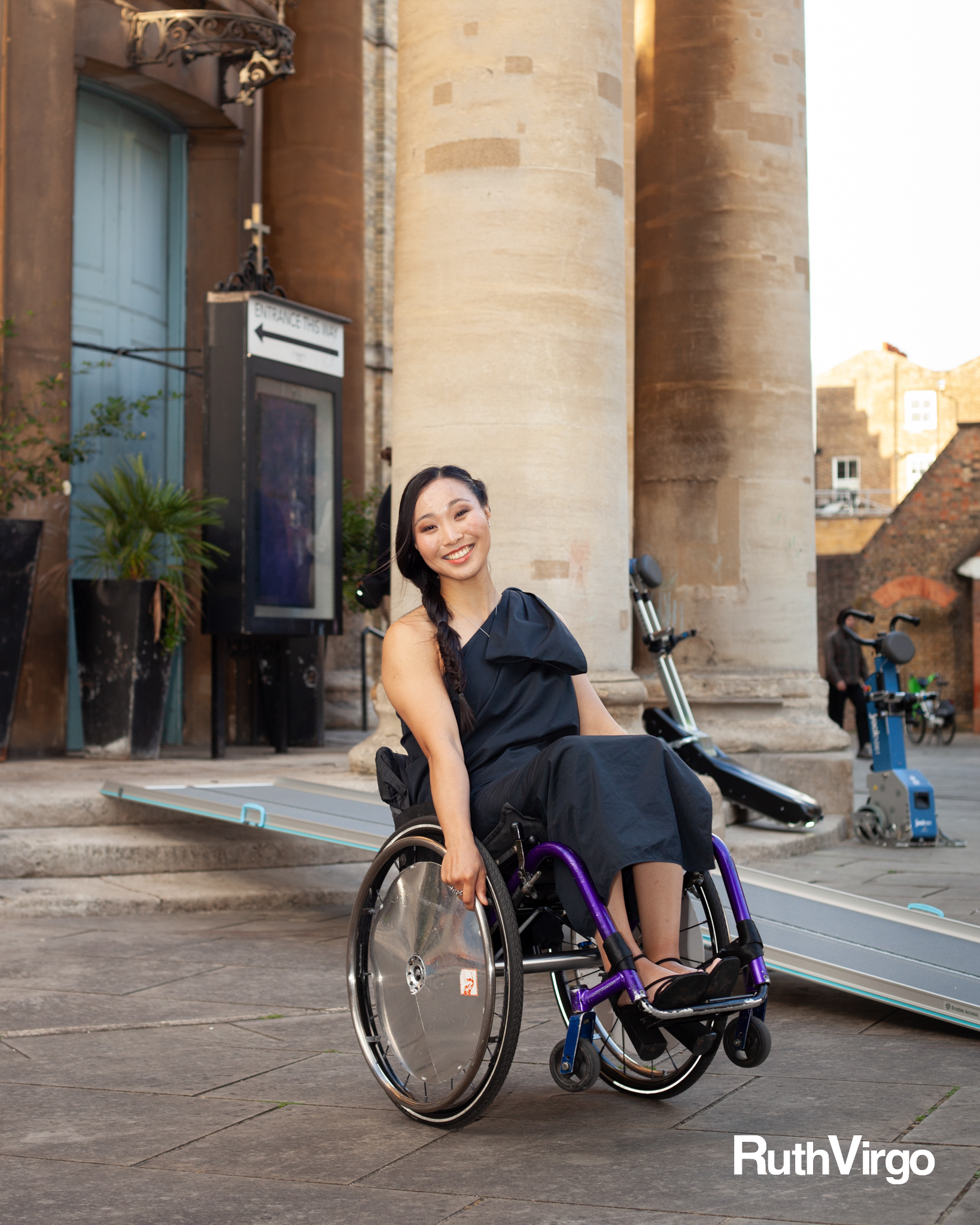
Part M Stair Climbers for London Retrofit Buildings: Practical Access in Constrained Spaces Discuss a London Access Assessment Retrofitting a …

Part M Stair Climber Access: Creating More Inclusive Buildings Without Losing Flexibility Creating an accessible building is rarely about a …