
Stairclimbers for OTs in the North East: Transforming Children’s Mobility Across Homes, Schools, and Communities
Stairclimbers for OTs in the North East: Transforming Children’s Mobility Across Homes, Schools, and Communities By The Stair Climbing …

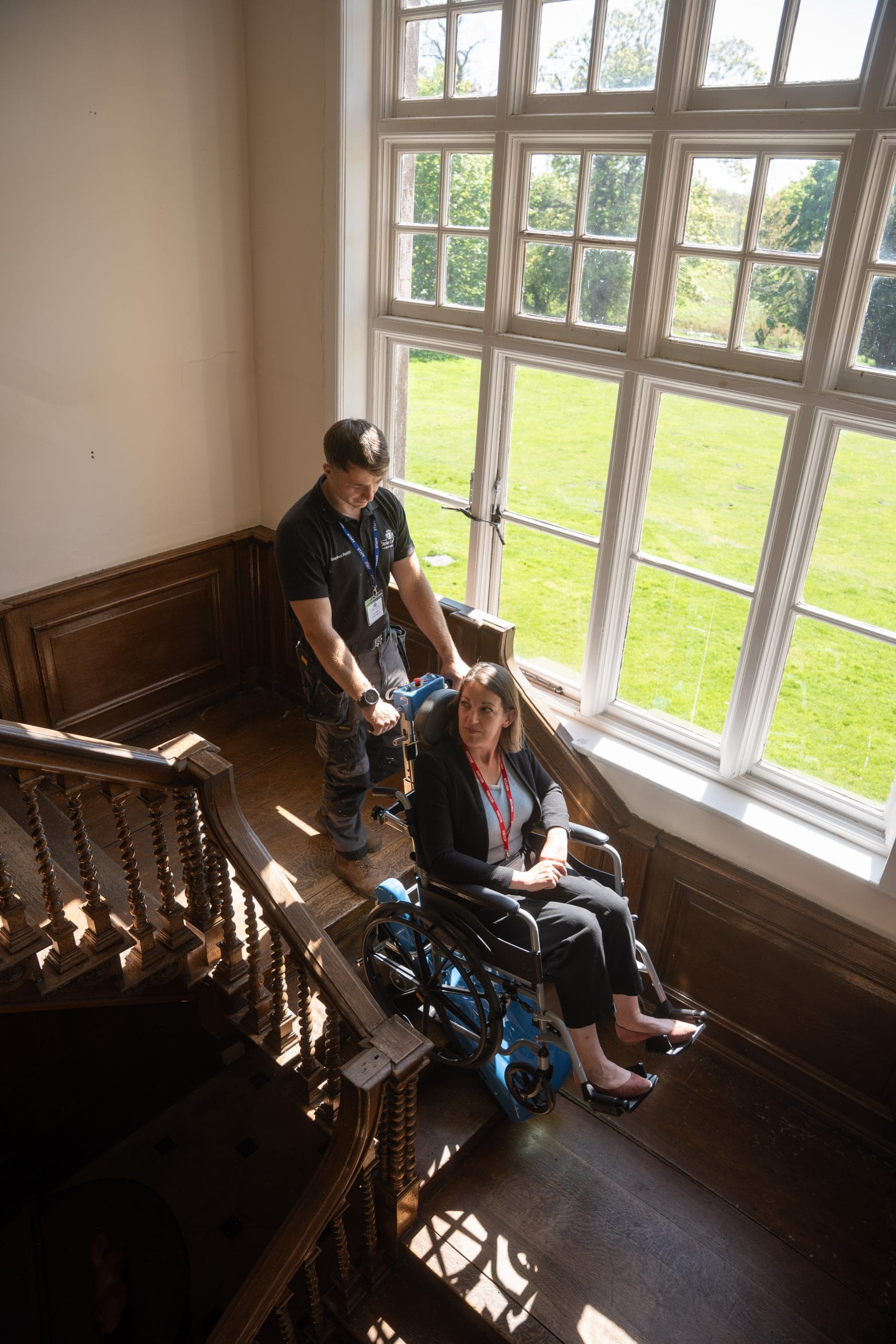
Stair climbers are transforming the way professionals support wheelchair users and less able people in homes, schools, hospitals, and community settings. For Occupational Therapists, fast and safe access to upper floors can make the difference between delayed intervention and immediate, life changing support. Modern Stairclimbers are portable, practical, and designed to work in real world environments where lifts are not available.
This article explores how Stair climbers for Wheelchair users improve access, how Stairclimbers for Occupational Therapists enhance efficiency in the field, and why stair climbers for OTs are becoming essential equipment across health and social care services.
Many residential and community buildings still present major access barriers. Older housing stock, split level properties, apartment blocks without lifts, and temporary assessment environments can all restrict safe entry. For wheelchair users and less able individuals, stairs often mean:
While permanent adaptations such as stairlifts or through floor lifts are ideal long term solutions, they require time, funding approval, and installation. Stair climbers provide an immediate, portable solution that bridges this gap.
Stair climbers are mobile devices designed to transport wheelchair users or seated individuals safely up and down stairs. Depending on the model, they may:
Modern Stairclimbers use controlled motor systems, braking technology, and ergonomic designs to ensure smooth, stable stair negotiation. They are compact enough to transport in vehicles and robust enough for daily clinical use.
For Occupational Therapists working in community environments, this portability is critical.
Occupational Therapists frequently assess clients in their own homes. Many of these properties have narrow staircases, external steps, or no lift access. Without Stair climbers for Occupational Therapists, clinicians may face:
Stairclimbers for Occupational Therapists allow immediate, safe access without waiting for structural modifications. This supports faster decision making and reduces service bottlenecks.
Timely assessment is crucial in discharge planning and community rehabilitation. Stair climbers for OTs enable:
This speeds up care pathways and improves patient outcomes.
Manual handling on stairs is one of the highest risk activities in health and social care. Stairclimbers for Occupational Therapists provide controlled ascent and descent, reducing strain on:
By using powered Stair climbers, OTs can follow safer moving and handling principles while protecting their own long term health.
Delayed discharge often occurs when access concerns remain unresolved. Stair climbers allow therapists to test and confirm stair access safely before permanent adaptations are installed.
This means:
In many cases, Stair climbers act as a temporary yet highly effective solution while funding for larger adaptations is arranged.
Beyond professional use, Stair climbers empower wheelchair users directly. Access to upper floors can restore:
Where moving home is not an option, Stair climbers provide a practical alternative that maintains independence.
For some individuals, particularly in short term rehabilitation scenarios, Stairclimbers may remove the need for permanent structural work altogether.
When evaluating Stair climbers for Occupational Therapists, several factors are important:
Look for automatic braking, anti slip tracks, and intuitive controls. Safety certifications and compliance with relevant standards are essential.
Devices should fold or dismantle for vehicle storage. Lightweight components reduce lifting strain for clinicians.
Some Stairclimbers attach to existing wheelchairs, while others require transfer to an integrated seat. OTs must consider client needs, posture support, and cognitive ability.
Comprehensive operator training ensures safe and confident use. Many providers offer on site demonstrations and certification.
Stair width, landing size, and staircase configuration vary greatly. A versatile stair climber that accommodates different environments increases clinical value.
Stair climbers for OTs offer measurable service improvements:
For local authorities and private therapy providers, investing in Stairclimbers for Occupational Therapists can reduce long term costs associated with delays, injuries, and repeated visits.
With proper training, modern Stairclimbers are intuitive and straightforward. Many feature powered tracking systems that require minimal physical effort.
Yes, when used correctly. Assessment remains essential, and OTs must evaluate medical stability, posture control, and risk factors before use.
Many models are designed specifically for narrow domestic stairs. Compact design is a major advantage in community settings.
As demand for home based care increases, Occupational Therapists need practical, mobile solutions. Stair climbers for Occupational Therapists align perfectly with modern service models that prioritise:
Stairclimbers for Occupational Therapists are no longer niche equipment. They are becoming core tools that enhance responsiveness and safety in the field.
Stair climbers provide safe, efficient access for wheelchair users and less able individuals in environments where lifts are not available. For Occupational Therapists, they remove barriers that slow assessment, increase risk, and delay care.
By integrating Stair climbers for Occupational Therapists into service provision, organisations can improve clinical efficiency, protect staff wellbeing, and enhance patient outcomes. Stairclimbers for Occupational Therapists represent a practical, forward thinking investment in accessible care.
As community based therapy continues to expand, stair climbers for OTs will play an increasingly important role in delivering fast, safe, and effective access where it matters most.
Stairclimbers for OTs in the North East: Transforming Children’s Mobility Across Homes, Schools, and Communities By The Stair Climbing …

The Stair Climbing Company: ‘You don’t have to create full accessibility overnight’ The Roman Baths in Bath offers visitors …
Stairclimbers for OTs: Transforming Mobility, Therapy, and Independence for Children By The Stair Climbing Company In recent years, the conversation …
Stairclimbers for OTs in Schools: Transforming Access, Inclusion and Paediatric Mobility Across the UK Introduction Ensuring equal access to education …

Stairclimbers for OTs: Supporting Children to Live Normal Lives at Home Introduction For occupational therapists working with children, the goal …
Stairclimbers for OTs: Supporting Children to Live Normal Lives at Home Introduction For occupational therapists working with children, the goal …
Estimated reading time: 6 minutes