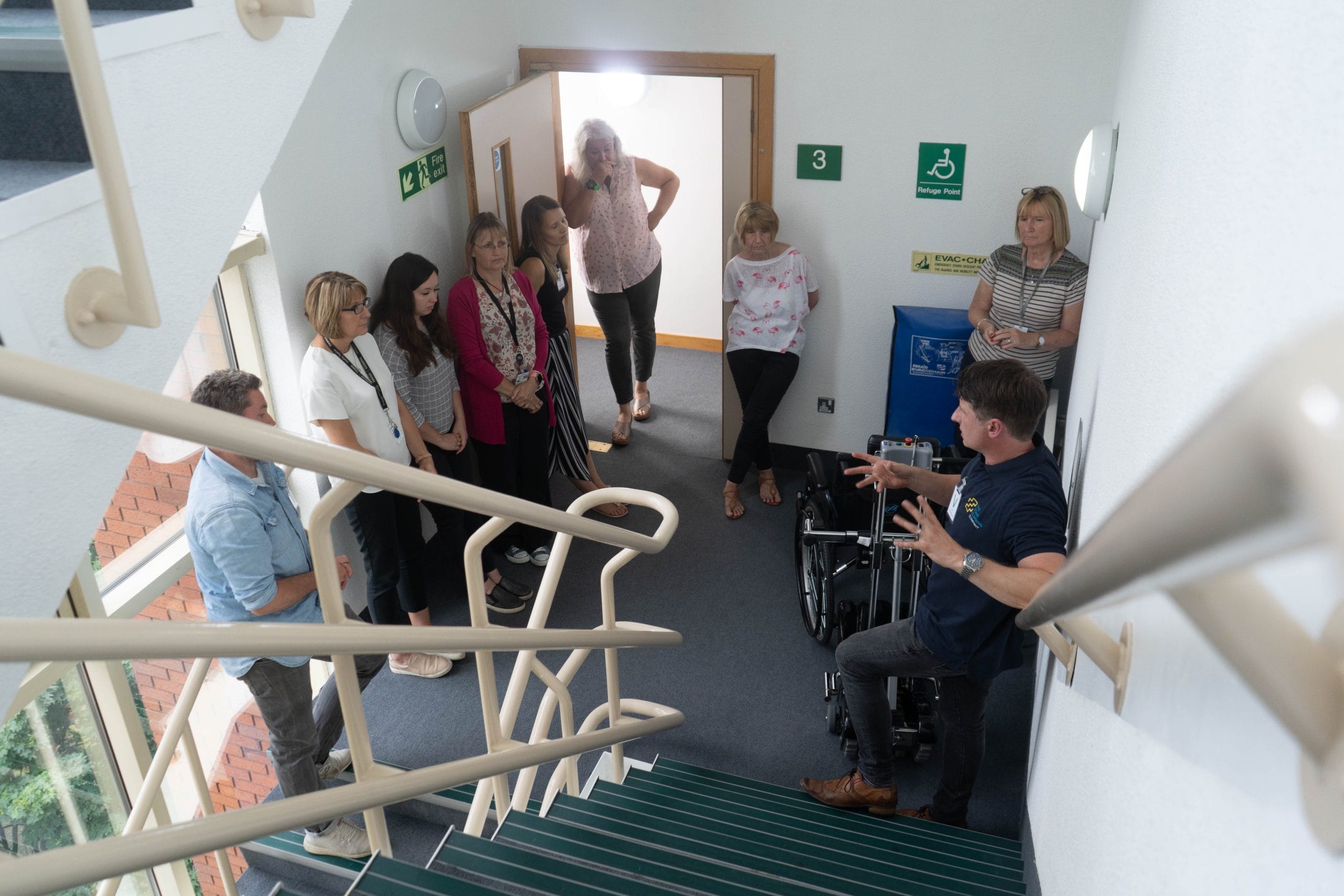
Powered Stair Climbers for Workplace Access: Removing Barriers Without Major Building Work
Powered Stair Climbers for Workplace Access: Removing Barriers Without Major Building Work Need to improve wheelchair access in your workplace? …

Childrens stair climbers are becoming an essential tool for occupational therapists supporting young service users with mobility challenges. For OTs working in paediatric settings, ensuring safe and reliable stair access within the home is critical to a child’s development, independence, and overall wellbeing.
Paediatric stair climbers provide a practical and flexible access solution that allows children to move between floors safely without the need for major structural adaptations. According to guidance from the Royal College of Occupational Therapists, enabling access within the home environment is key to improving participation and outcomes for children.
This article explores how childrens stair climbers and paediatric stair climbers are transforming outcomes for young service users and why they are a vital part of modern access solutions.
For children, the home is more than a living space. It is where they learn, play, and develop independence. When stair access is restricted, it can have a significant impact on both physical and emotional development.
Without safe stair access, children may experience reduced independence, limited access to bedrooms and bathrooms, and increased reliance on carers. Organisations such as Scope UK highlight how environmental barriers in the home can directly affect a child’s confidence and inclusion.
Occupational therapists play a key role in identifying solutions that allow children to access all areas of their home safely. Childrens stair climbers offer a highly effective way to achieve this.
Childrens stair climbers are specialised devices designed to transport children safely up and down stairs while seated in a wheelchair or supportive chair. They are operated by a trained adult and use controlled movement technology to ensure stability and safety.
Paediatric stair climbers are designed with the specific needs of children in mind, including appropriate sizing, compatibility with paediatric wheelchairs, and enhanced safety features. Resources from the Disabled Living Foundation emphasise the importance of selecting equipment that matches a child’s physical and environmental needs.
One of the most immediate benefits of childrens stair climbers is restoring access to all areas of the home. Children can access their own bedroom, bathroom, and play spaces without restriction. This aligns with recommendations from NHS guidance on maintaining normal routines for children with additional needs.
Independence is a key aspect of child development. Paediatric stair climbers enable children to be part of everyday family life rather than being confined to one level of the home. Charities such as Contact highlight how inclusive home environments support better developmental outcomes.
Being unable to access parts of the home can lead to frustration and isolation. Childrens stair climbers help remove these barriers, supporting emotional wellbeing and inclusion.
Carrying children on stairs presents a significant risk to both the child and the carer. Paediatric stair climbers provide a safe and controlled method of movement. Guidance from NICE supports the use of safe handling solutions to reduce injury risk in care environments.
Manual handling of children on stairs can be physically demanding and unsafe over time. Childrens stair climbers reduce this burden, providing a safer and more sustainable solution for families.
Paediatric stair climbers do not require permanent installation, making them ideal for family homes and rental properties. This flexibility is often recommended by organisations like the Motability Foundation when considering accessible home solutions.
Compared to major adaptations, childrens stair climbers provide a faster and more cost effective solution. This allows occupational therapists to implement timely interventions that improve stair access without delay.
Children’s needs evolve as they grow. Paediatric stair climbers offer a flexible solution that adapts over time, supporting long term independence.
When recommending childrens stair climbers, OTs should assess functional ability, home environment, and risk factors. Best practice guidance from the RCOT practice resources supports a holistic approach to equipment provision.
Training for parents and carers is also essential to ensure safe and effective use.
Consider a child with a neurological condition who is unable to safely use stairs. Without a solution, they may be confined to a single floor of the home. With a childrens stair climber, the child can access their bedroom and participate fully in family life.
This type of intervention supports the goals outlined by Cerebra, which emphasises improving quality of life for children with neurological conditions.
Childrens stair climbers support family centred care by enabling children to remain in their home environment. This aligns with wider healthcare priorities around community based care and reducing the need for institutional settings.
Selecting the right equipment involves considering weight capacity, compatibility, ease of use, and available training. Working with specialist providers ensures optimal outcomes.
Childrens stair climbers are transforming stair access for young service users, enabling them to fully engage in everyday life within their home. Paediatric stair climbers provide occupational therapists with a flexible and effective access solution that supports development, independence, and family wellbeing.
By improving stair access, these solutions remove barriers and create inclusive home environments where children can thrive.
Powered Stair Climbers for Workplace Access: Removing Barriers Without Major Building Work Need to improve wheelchair access in your workplace? …

Powered Stair Climbers for Wheelchair Access: A Flexible Way to Overcome Stairs Need to create wheelchair access where stairs are …

Part M Stair Climbers for London Buildings: Accessible Retrofit Without Major Structural Change Improving accessibility in an existing London building? …

Part M Stair Climbers for Retrofit Buildings: Creating Accessible Buildings Without Major Structural Change Retrofitting an existing building and struggling …
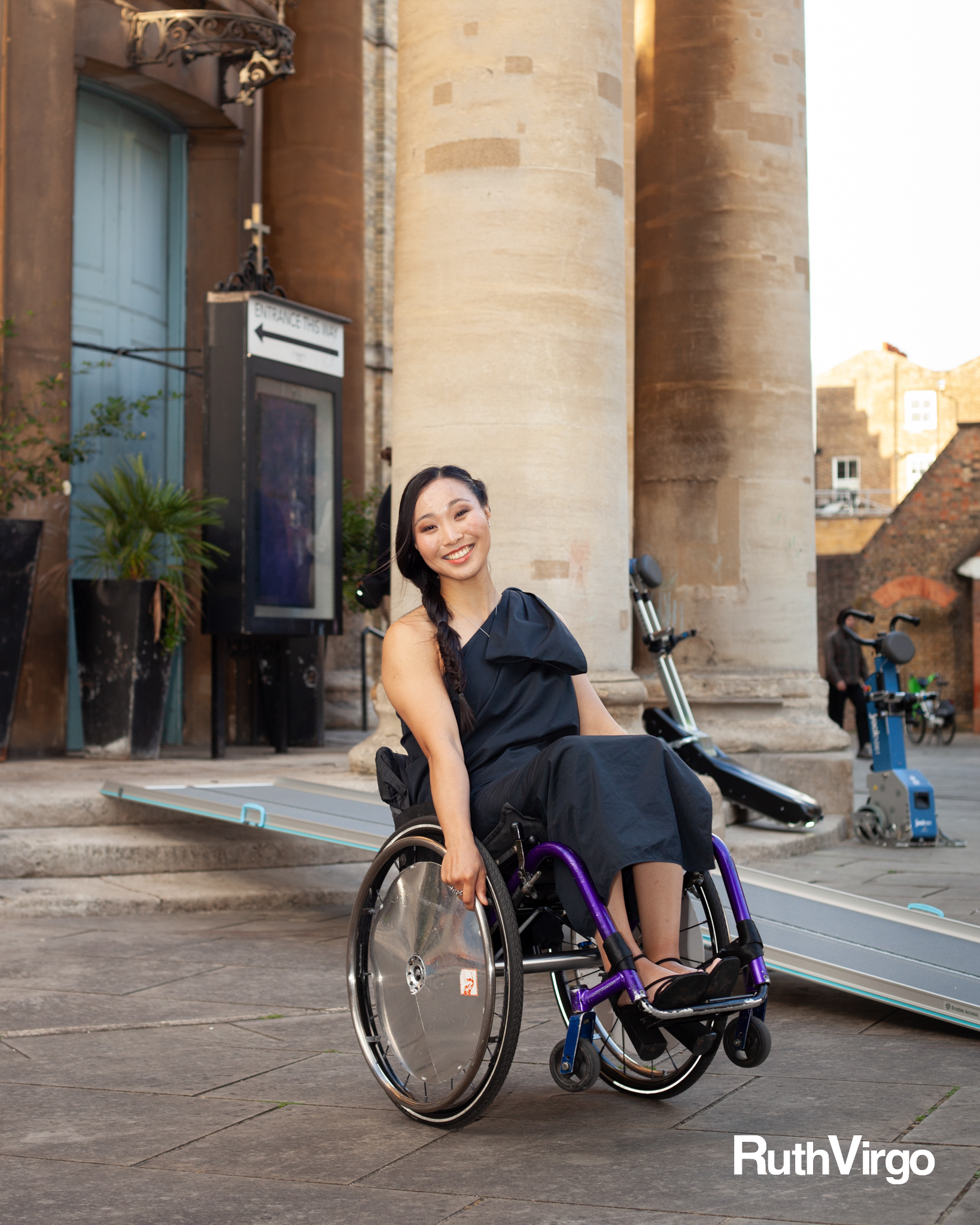
Part M Stair Climbers for London Retrofit Buildings: Practical Access in Constrained Spaces Discuss a London Access Assessment Retrofitting a …

Part M Stair Climber Access: Creating More Inclusive Buildings Without Losing Flexibility Creating an accessible building is rarely about a …
Estimated reading time: 5 minutes