
Bringing Everyone Together This Christmas with A Stair Climber Hire from The Stair Climbing Company
The festive season is about togetherness. It is a time when families and friends gather to celebrate, attend events, and …

As we move toward 2026, accessibility is no longer seen as an optional extra. It is an expectation across homes, workplaces, and public buildings. One of the most significant developments supporting this shift is the stair climbing wheelchair. Designed to overcome one of the most persistent barriers to mobility, stair climbing wheelchairs are transforming how people access multi level environments.
With improved technology, safety features, and adaptability, the stairclimbing wheelchair is set to play a key role in improving independence and inclusion at home and at work throughout 2026 and beyond.
Despite improvements in building design, stairs remain a challenge in many environments. The UK housing stock includes a high proportion of multi storey homes without lifts. Similarly, many workplaces operate in older buildings where structural changes are restricted.
For wheelchair users, stairs often result in restricted access to essential spaces. The stair climbing wheelchair provides a practical solution that allows safe movement between levels without the need for permanent adaptations.
By integrating a stair climber into daily mobility planning, individuals and organisations can overcome access limitations quickly and effectively.
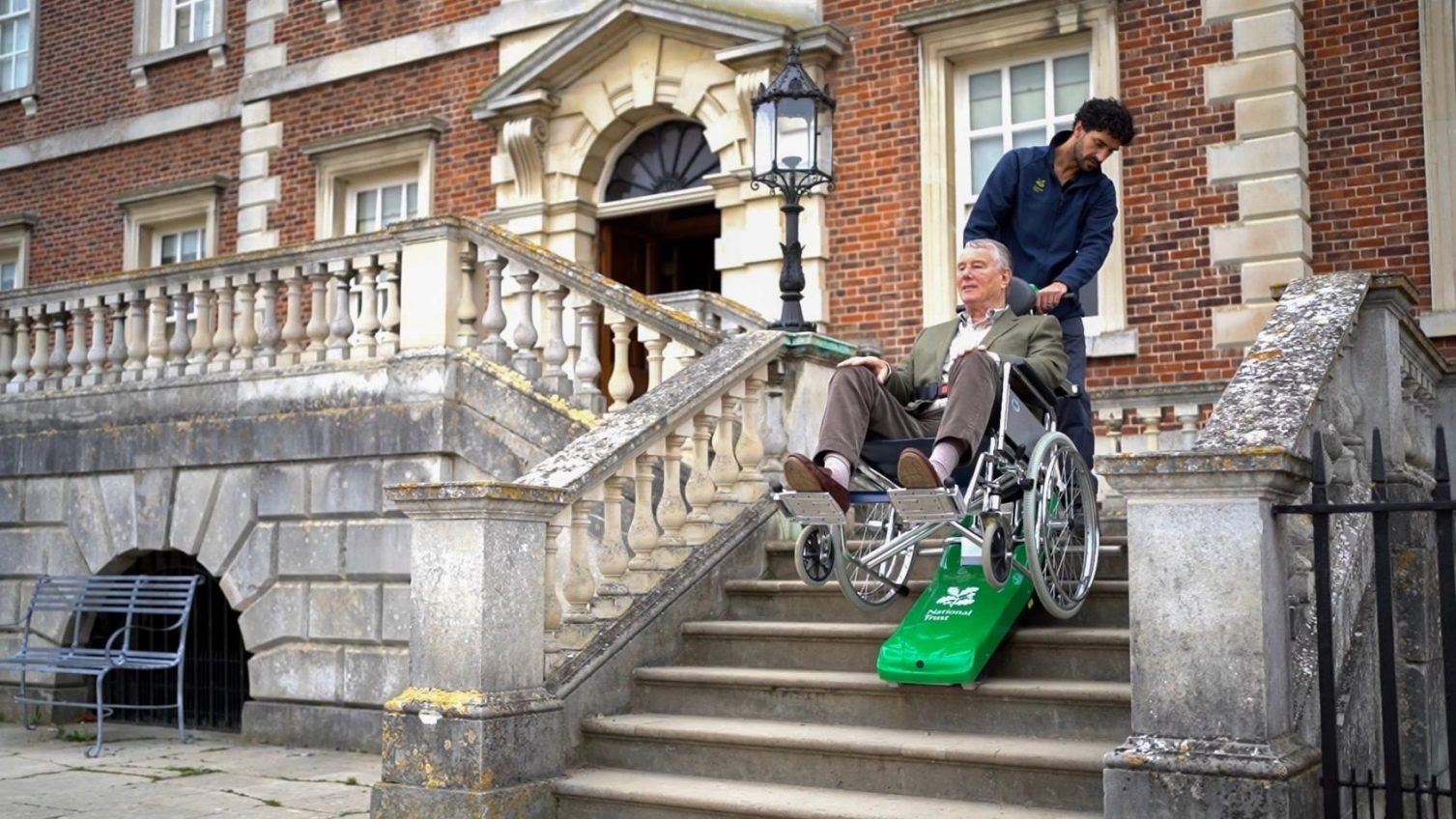
A stairclimbing wheelchair uses advanced tracked or step based technology to ascend and descend stairs in a controlled and stable manner. Unlike traditional manual handling methods, stair climbing wheelchairs are designed to minimise physical effort while maintaining user comfort and safety.
Modern stair climber systems include braking controls, stability sensors, and ergonomic seating. These features allow trained users or carers to navigate stairs confidently in both residential and workplace settings.
As technology continues to advance, 2026 models are expected to offer even greater ease of use and adaptability.
At home, access between floors is essential for independence. Bedrooms, bathrooms, and living areas are often located on different levels, creating daily challenges for wheelchair users.
A stair climbing wheelchair allows individuals to remain in their own homes without relying on costly renovations or relocating to single level properties. This supports emotional wellbeing and maintains family routines.
For families supporting a loved one with mobility challenges, a stairclimber provides reassurance and flexibility. It enables safe transfers and reduces the physical strain on carers, making everyday life more manageable.
Workplaces are increasingly expected to provide inclusive access for employees and visitors. A stairclimbing wheelchair helps organisations meet accessibility responsibilities without extensive building work.
In offices, warehouses, and public sector buildings, a stair climber allows access to meeting rooms, workspaces, and facilities located on upper floors. This ensures that wheelchair users are not excluded from opportunities or progression.
By incorporating a stairclimbing wheelchair into workplace access planning, employers demonstrate a commitment to equality and inclusion in 2026.
Manual handling on stairs presents significant risk. Lifting or assisting wheelchair users without specialist equipment can lead to injury for both the individual and those supporting them.
A stair climbing wheelchair is designed to reduce these risks. Controlled movement, stable seating, and secure restraint systems ensure safety throughout the ascent or descent.
Using a stairclimber also supports compliance with health and safety responsibilities, reducing the likelihood of accidents and associated costs.
One of the key advantages of a stair climbing wheelchair is flexibility. Mobility needs can change over time due to injury, illness, or age related conditions.
A stairclimbing wheelchair adapts to short term and long term requirements, making it suitable for rehabilitation, temporary access needs, or permanent use. This adaptability makes stair climbing wheelchairs a future proof investment for 2026.
Inclusive environments allow everyone to participate fully. The stair climbing wheelchair plays a vital role in removing physical barriers and supporting independence.
At home, a stair climber enables family life to continue across all levels. At work, it ensures equal access to facilities and opportunities. These outcomes align with wider accessibility and inclusion goals for 2026.
As accessibility expectations continue to rise, planning ahead is essential. Investing in a stairclimbing wheelchair supports long term access strategies and reduces reliance on temporary or unsafe solutions.
Whether used in a private home or a professional environment, the stair climbing wheelchair provides a reliable and effective way to improve access for all.
In 2026, the stair climbing wheelchair will be central to improving access at home and at work. With advances in safety, usability, and adaptability, the stairclimbing wheelchair offers a practical solution to one of the most enduring mobility challenges.
By embracing the stair climber and stairclimber as part of accessibility planning, individuals and organisations can create inclusive spaces that support independence, dignity, and opportunity for everyone.
The festive season is about togetherness. It is a time when families and friends gather to celebrate, attend events, and …

An urgent deployment of our bespoke ‘Sky Climber’ adapted Stair Climber for disabled children, and their families, in isolation. Occupational …
The newly redeveloped Olympia Estate in London, a significant project aimed at transforming the area into a dynamic hub for …

The Heritage Network Conference 2025 is one of the most anticipated events for professionals and organisations committed to preserving and promoting …
Estimated reading time: 5 minutes